
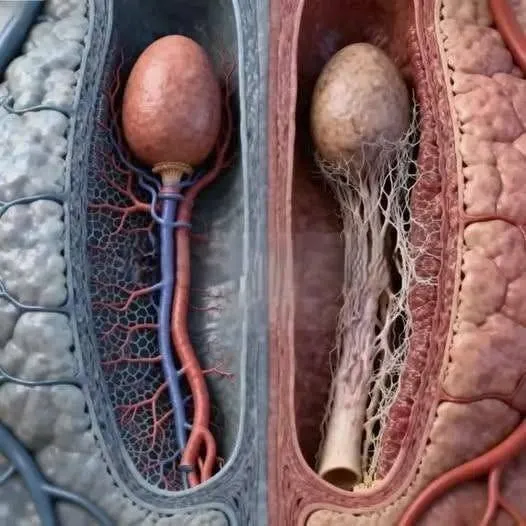
Aging is something every man experiences, yet many of its effects remain surprisingly difficult to discuss. People openly talk about gray hair, wrinkles, weight gain, and declining energy, but changes involving the male reproductive system are often met with silence, embarrassment, or unnecessary worry.
What many men don’t realize is that the penis, testicles, surrounding tissues, and the biological systems responsible for sexual function can undergo gradual changes throughout adulthood. These changes involve blood circulation, hormone levels, connective tissue, nerve function, and overall cardiovascular health.
Some changes are subtle and develop over decades. Others become more noticeable in middle age or later life. While many are associated with normal aging, certain symptoms can also indicate underlying medical conditions that deserve attention.
Understanding the difference can help men maintain their health, recognize potential warning signs, and approach aging with greater confidence.
1. The Changes That Happen Beneath the Surface
When most people think about aging, they imagine visible changes. Skin becomes less elastic, hair gradually loses its color, and muscle mass may decline.
However, the reproductive system also changes in ways that cannot always be seen from the outside.
The penis contains specialized erectile tissue that fills with blood during sexual arousal. Its function depends on healthy blood vessels, responsive nerves, smooth muscle, hormones, and the ability of the surrounding tissues to retain blood.
As men grow older, changes in any of these systems can affect sexual function.
For example, erections may take longer to develop, require more direct stimulation, or become less firm than they were in earlier adulthood. Some men also notice that they need more time between sexual encounters.
These experiences vary considerably. Aging does not automatically mean that a man will develop erectile dysfunction or lose interest in sexual activity.
Some men maintain satisfactory sexual function well into later life, while others experience changes much earlier.
The difference often reflects a combination of genetics, cardiovascular health, medical conditions, medications, lifestyle, and individual physiology.
2. Blood Circulation Plays an Essential Role
One of the most important factors in male sexual function is healthy blood circulation.
An erection occurs when signals from the nervous system cause blood vessels supplying the penis to relax and widen. Blood then enters the erectile tissue, creating pressure and firmness.
For this process to work effectively, the blood vessels must be able to respond appropriately.
With increasing age, men become more likely to develop conditions that affect vascular health, including high blood pressure, diabetes, and atherosclerosis.
These conditions can reduce blood flow and interfere with the normal erectile process.
However, it is important to distinguish ordinary aging from vascular disease. A significant reduction in circulation should not automatically be dismissed as an unavoidable consequence of getting older.
Persistent difficulty achieving or maintaining an erection can sometimes be an early indication of cardiovascular problems.
Because the blood vessels supplying the penis are relatively small, vascular dysfunction may become noticeable there before other cardiovascular symptoms appear.
Men who experience new or persistent erectile difficulties may benefit from an evaluation of their blood pressure, blood sugar, cholesterol, medications, and overall cardiovascular health.
3. Connective Tissue Changes Over Time
Another important aspect of aging involves connective tissue.
The penis contains erectile structures surrounded by connective tissue that helps maintain its shape and rigidity during an erection.
Like connective tissue elsewhere in the body, these structures may undergo changes with age.
The balance between smooth muscle and collagen can shift, and certain tissues may become less elastic.
In some men, these changes can influence erectile firmness and the ability to maintain an erection.
However, not every man experiences the same degree of tissue change, and there is no single age at which these changes suddenly occur.
Overall health, vascular disease, diabetes, smoking, and other factors can influence the condition of erectile tissue.
This is one reason two men of the same age can have very different experiences with sexual function.
4. Can the Penis Actually Become Smaller With Age?
This is one of the questions that often generates the most concern.
Some men notice that their penis appears smaller as they get older. However, several different factors can contribute to this impression.
Weight gain around the lower abdomen and pubic area can make more of the penile shaft appear concealed by surrounding tissue. In such cases, the visible length changes even though the underlying anatomy may not have changed significantly.
Reduced erectile firmness can also make the penis appear shorter during an erection.
In certain medical conditions, including Peyronie’s disease, scar tissue can cause penile curvature and sometimes shortening.
Significant or sudden changes in penile shape, particularly when accompanied by pain or a new curvature, should be evaluated by a healthcare professional.
Aging alone does not mean that every man’s penis will inevitably shrink. Changes in appearance can have several explanations, some of which are treatable.
5. Testosterone Levels May Gradually Decline
Testosterone is an important hormone involved in male reproductive health.
It contributes to sexual desire, sperm production, muscle maintenance, bone health, and several other physiological functions.
Testosterone levels often decline gradually with age, although the rate and extent of that decline vary widely.
Some men experience few noticeable effects.
Others may develop symptoms such as reduced sexual desire, lower energy, decreased muscle mass, or changes in sexual function.
However, these symptoms are not specific to low testosterone. They can also occur because of inadequate sleep, depression, chronic illness, medications, obesity, and other medical conditions.
A diagnosis of testosterone deficiency requires more than symptoms alone. It generally involves appropriate clinical assessment and blood testing.
Testosterone treatment is not suitable for everyone, and it should not be used simply because a man is getting older.
6. Sensitivity and Nerve Function Can Change
Sexual sensation depends on a complex network of nerves that carry signals between the reproductive organs, spinal cord, and brain.
Some men notice that stimulation feels different as they age or that achieving an erection or orgasm takes longer.
These changes can have several causes.
Diabetes, for example, can damage peripheral nerves and affect sensation. Certain medications, neurological conditions, and previous pelvic surgery can also influence sexual response.
Normal aging may contribute to changes in responsiveness, but substantial numbness or a sudden loss of sensation should not be considered an ordinary part of growing older.
It is also important to remember that sexual satisfaction is not determined solely by physical sensitivity.
Emotional connection, communication, overall health, and psychological well-being can all influence sexual experiences.
7. The Testicles May Change as Well
Although attention often focuses on the penis, the testicles can also undergo age-related changes.
The testicles produce testosterone and sperm. Their function is regulated by a complex hormonal system involving the brain and reproductive organs.
As men age, sperm production and reproductive hormone levels may change.
Some men may also notice changes in testicular size or firmness.
However, a new lump, persistent pain, significant swelling, or a sudden change in one testicle should never be assumed to be a normal consequence of aging.
These symptoms require medical assessment because they may be associated with infections, fluid collections, other treatable conditions, or, less commonly, cancer.
8. Fertility Can Change Even When Sexual Function Remains Normal
Many people associate reproductive aging primarily with women, but male fertility can also change over time.
Men can continue producing sperm throughout much of their lives. Nevertheless, increasing paternal age has been associated with changes in certain measures of sperm quality and reproductive outcomes.
These changes do not mean that older men are necessarily infertile.
Many men become fathers later in life.
However, the ability to achieve an erection and the ability to conceive are not the same thing.
A man can have satisfactory sexual function while experiencing fertility difficulties, just as someone can experience erectile problems without necessarily having impaired sperm production.
Couples experiencing difficulty conceiving should seek appropriate medical advice rather than assuming age is the only explanation.
9. The Prostate Becomes Increasingly Important With Age
Another significant change in male reproductive and urinary health involves the prostate.
The prostate is a gland located below the bladder that surrounds part of the urethra.
As men grow older, the prostate commonly enlarges. This condition, known as benign prostatic hyperplasia (BPH), is not cancer, although it can cause troublesome urinary symptoms.
These may include a weak urine stream, difficulty starting urination, frequent urination, or waking repeatedly during the night to use the bathroom.
Not every man with an enlarged prostate experiences symptoms, and urinary difficulties can have several other causes.
Persistent symptoms should be evaluated rather than automatically attributed to aging.
Sudden inability to urinate requires urgent medical attention.
10. Lifestyle Can Influence How the Body Ages
Although aging cannot be stopped, many factors affecting reproductive and sexual health are modifiable.
The cardiovascular system is particularly important.
Regular physical activity can support circulation, metabolic health, blood pressure management, and weight control.
A balanced diet can help maintain healthy cholesterol and blood sugar levels.
Avoiding smoking is especially important because tobacco use damages blood vessels and is associated with erectile dysfunction.
Limiting alcohol, getting adequate sleep, and managing chronic conditions can also support overall health.
These habits do not guarantee that a man will avoid every age-related change. However, they can reduce the impact of several conditions that commonly interfere with sexual function.
11. Why Smoking Can Accelerate Problems
Smoking is particularly relevant because healthy erectile function depends heavily on blood vessel health.
Tobacco exposure contributes to vascular damage and interferes with normal blood vessel function.
Over time, these effects can increase the likelihood of erectile difficulties.
Smoking also raises the risk of cardiovascular disease, stroke, and numerous cancers.
For men who smoke, quitting can provide benefits that extend far beyond sexual health.
Even after years of smoking, stopping can reduce future health risks and support cardiovascular function.
12. Exercise Supports More Than Muscle Strength
Physical activity is often discussed in terms of weight loss or maintaining muscle mass, but its benefits are much broader.
Regular exercise supports cardiovascular health, insulin sensitivity, mood, sleep quality, and physical endurance.
Aerobic activities such as walking, swimming, and cycling can improve overall cardiovascular fitness.
Strength training helps maintain muscle mass and functional ability as people age.
For some men, pelvic floor exercises may also be helpful, particularly when recommended by a qualified healthcare professional for specific urinary or sexual concerns.
The most effective exercise routine is generally one that is safe, sustainable, and appropriate for the individual’s health.
13. Mental Health and Relationships Matter Too
Sexual function is not purely mechanical.
Stress, anxiety, relationship difficulties, poor sleep, and depression can all influence sexual desire and performance.
A man who experiences occasional erectile difficulty may become worried that it will happen again. That anxiety can then make future difficulties more likely.
This cycle can create distress even when there is no serious underlying physical problem.
Open communication with a partner can help reduce unnecessary pressure.
For persistent difficulties, professional support may be useful. Depending on the situation, treatment may involve medical evaluation, counseling, medication review, or other interventions.
Sexual health is part of overall health, and discussing it with a healthcare professional should be no more embarrassing than discussing blood pressure or joint pain.
14. When Changes Should Not Be Ignored
While many gradual changes are common with aging, some symptoms deserve medical attention.
Signs worth discussing with a doctor
- Persistent difficulty achieving or maintaining an erection
- A new or increasing penile curvature, especially with pain
- Significant changes in penile or testicular appearance
- A testicular lump or persistent swelling
- New numbness or loss of sensation
- Blood in the urine or semen
- Persistent urinary difficulties
- A noticeable decline in sexual desire accompanied by other symptoms
Sudden severe testicular pain, an inability to urinate, or an erection lasting more than four hours requires urgent medical attention.
Early assessment can help identify treatable conditions and prevent unnecessary complications.
15. Aging Does Not Mean the End of Sexual Health
One of the most persistent misconceptions about male aging is that sexual health inevitably disappears after a certain age.
There is no universal age at which men stop being capable of sexual activity or experiencing sexual satisfaction.
Some men notice substantial changes in middle age, while others maintain satisfactory sexual function well into their seventies, eighties, or beyond.
The experience is highly individual.
Even when physical changes occur, treatment options and lifestyle adjustments may help.
For example, erectile dysfunction can sometimes be managed through improvements in cardiovascular health, treatment of underlying conditions, medication adjustments, or prescribed therapies.
The important point is that men do not have to accept every new symptom as something that cannot be addressed.
16. Understanding the Difference Between Normal Aging and Disease
Perhaps the most valuable lesson is learning that common does not always mean inevitable, and age-related does not always mean harmless.
It is common for men to experience changes in sexual response as they grow older.
However, severe erectile dysfunction, significant pain, sudden anatomical changes, or persistent urinary symptoms may indicate medical conditions.
Similarly, low energy and reduced sexual desire are sometimes attributed to testosterone decline when the actual explanation involves sleep disorders, medication effects, depression, or other health problems.
Making assumptions based on age alone can delay appropriate treatment.
A medical evaluation can help distinguish ordinary physiological variation from a condition that needs attention.
The Bigger Picture: Healthy Aging Is About Maintaining Quality of Life
The male reproductive system does not exist independently from the rest of the body.
Its function is closely connected to cardiovascular health, metabolic regulation, hormones, neurological function, and psychological well-being.
That means habits that support general health often support reproductive health as well.
Maintaining a healthy weight, staying physically active, avoiding tobacco, managing blood pressure and diabetes, sleeping adequately, and seeking medical care when symptoms arise can all contribute to healthier aging.
Equally important is developing realistic expectations.
A man’s body at 65 will not necessarily respond in exactly the same way it did at 25. That does not mean that intimacy, confidence, or sexual satisfaction must disappear.
Adaptation is a normal part of life.
Understanding physical changes can make those adaptations easier and reduce unnecessary anxiety.
Final Thoughts
Aging brings changes that many men rarely discuss, especially when those changes involve the reproductive system. Blood vessels, hormones, nerves, connective tissue, and the prostate can all be affected over time, influencing appearance, sensation, urinary function, and sexual response.
But there is an important difference between recognizing the effects of aging and assuming that every change is unavoidable.
Not every man experiences the same changes, and many problems associated with aging can be prevented, managed, or treated.
Rather than viewing these changes with embarrassment or fear, men can benefit from understanding their bodies, maintaining healthy habits, communicating openly, and seeking medical advice when something feels unusual.
Getting older does not erase masculinity, intimacy, or personal vitality. It simply makes awareness of physical health—and the willingness to care for it—even more important.