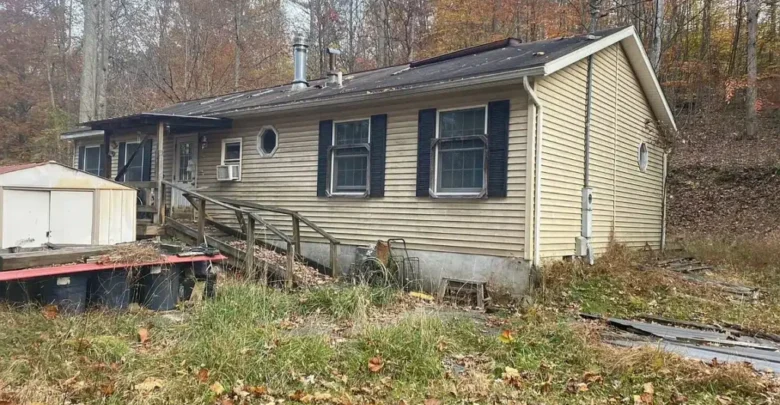
Buying a home through an online auction offers a different path to property ownership. For buyers seeking land, renovation potential, and flexible living space, this property presents several possibilities.
The property features three bedrooms, one bathroom, and approximately 2.64 acres of land. Additionally, it offers access to public water.
However, buyers should understand the auction process before making any decisions. The home’s interior condition remains unknown, and the property is being sold as is.
Therefore, careful research is essential. Buyers should evaluate the land, utilities, property condition, and auction requirements before placing a bid.
Property Overview: A Three-Bedroom Home With Land
This property combines a residential home with approximately 2.64 acres of land. As a result, it offers more outdoor space than many traditional residential properties.
The home includes three bedrooms and one bathroom. However, its current interior condition has not been confirmed.
For some buyers, this uncertainty may present an opportunity to evaluate potential improvements. Nevertheless, professional inspections are important before planning any renovations.
Possible Uses for the Property
Depending on its condition, buyers may consider several options.
For example, the home could become a personal residence after suitable repairs. Alternatively, investors might explore renovation, rental, or resale opportunities.
However, these possibilities depend on local regulations, property conditions, and financial considerations.
Furthermore, the surrounding acreage provides additional space for outdoor activities and potential improvements.
Understanding the Online Auction Process
The property is being offered through an online auction rather than a traditional real estate listing.
In a conventional sale, buyers typically negotiate with the seller. However, an auction follows a defined bidding process.
The final purchase price depends on the highest successful bid and applicable auction conditions. Therefore, previously advertised prices should not determine a buyer’s valuation.
How Buyers Can Prepare
Before participating, buyers should review all available property information.
Additionally, they should understand registration requirements, payment conditions, and closing deadlines.
Auction terms may also include deposits, buyer’s premiums, occupancy rules, and title requirements.
Consequently, reviewing the official auction documents is an important step.
Why Auction Terms Matter
Online auctions can offer a more structured purchasing process. However, they also require careful preparation.
Buyers should determine their financial limits before bidding begins. Furthermore, they should understand any restrictions or obligations associated with the sale.
This preparation can reduce the risk of unexpected financial responsibilities.
Approximately 2.64 Acres of Outdoor Space
The property’s land is one of its most notable features.
With approximately 2.64 acres, buyers have more space to consider than a typical suburban lot provides.
For homeowners, this additional land may support gardening, recreation, landscaping, or outdoor projects.
Meanwhile, investors may investigate other permitted uses.
Opportunities for Outdoor Activities
A larger property can provide room for personal outdoor interests.
For example, owners might create garden areas or improve the surrounding landscape. Additionally, the acreage may offer greater separation from neighboring properties.
However, the actual usability of the land depends on its physical characteristics.
Land Restrictions Buyers Should Verify
Owning several acres does not automatically permit every type of development.
Therefore, buyers should investigate zoning, setbacks, access rights, and environmental restrictions.
They should also verify whether additional construction, agricultural activities, subdivision, or commercial uses are allowed.
Furthermore, local authorities can provide information about applicable development requirements.
Three Bedrooms With Renovation Potential
The existing home includes three bedrooms and one bathroom.
This layout may appeal to several types of buyers. For example, families may appreciate the additional bedrooms.
Similarly, individuals may want space for a home office or hobbies.
However, the actual floor plan and condition require further investigation.
Why an Inspection Is Important
The home’s interior condition is currently unknown. Therefore, buyers should not assume it is ready for immediate occupancy.
A professional inspection may help identify necessary repairs.
Important areas include the roof, foundation, plumbing, electrical systems, and heating equipment.
Additionally, buyers should examine windows, insulation, flooring, walls, and appliances.
Planning a Renovation Budget
Once buyers understand the property’s condition, they can estimate potential repair costs.
However, renovation expenses can change as work progresses.
For that reason, buyers should consider including a contingency in their budgets.
Furthermore, professional estimates can help determine whether improvements make financial sense.
Public Water Access and Other Utilities
Another important feature is access to public water.
For residential properties, utility availability can affect both convenience and future improvement plans.
Public water may reduce certain responsibilities associated with private wells. However, buyers must verify the exact service arrangements.
Confirming Water Service
Prospective buyers should confirm whether public water is connected and operational.
Additionally, they should investigate connection fees, service requirements, and outstanding charges.
Access to a public water system does not necessarily mean the home currently receives active service.
Therefore, independent verification remains important.
Other Utilities to Investigate
Water is only one part of a property’s utility infrastructure.
Buyers should also examine electricity, sewer or septic systems, drainage, and telecommunications.
Furthermore, natural gas availability may matter for certain renovation plans.
A complete utility review can help buyers estimate future ownership expenses.
Why Investors May Consider This Property
Real estate investors often evaluate properties with renovation potential.
This home combines an existing residential structure with approximately 2.64 acres.
Consequently, investors may want to investigate several possible strategies.
However, the property’s actual condition and financial requirements will determine its suitability.
Renovation and Resale
One possible strategy involves renovating the home and selling it afterward.
Before proceeding, investors should research comparable property sales.
Additionally, they should obtain realistic renovation estimates.
The property’s land size may influence its market appeal. Nevertheless, improvements do not guarantee an equivalent increase in value.
Long-Term Rental Potential
Another possibility involves preparing the home for rental use.
A three-bedroom layout may attract households seeking additional living space.
However, rental demand varies by location.
Therefore, investors should research local rents, vacancy rates, maintenance expenses, and management costs.
Evaluating Investment Expenses
Investors should examine more than the potential purchase price.
For example, property taxes, insurance, financing, and repairs can affect profitability.
Additionally, renovation permits and contractor expenses may increase project costs.
Consequently, a detailed financial analysis is necessary before bidding.
A Possible Home for Owner-Occupants
This property may also interest buyers seeking a personal residence.
After suitable repairs, the home could potentially provide long-term living space.
Furthermore, the surrounding acreage may appeal to people who enjoy outdoor activities.
However, buyers should first confirm that the property meets their needs.
Flexible Bedroom Uses
The home’s three bedrooms may support different household arrangements.
For example, one room could serve as a home office. Another might become a guest room or hobby space.
Additionally, families may appreciate having separate bedrooms.
Nevertheless, these possibilities depend on the home’s actual layout and condition.
Privacy and Outdoor Space
The approximately 2.64-acre parcel may offer greater privacy than a smaller residential lot.
For example, owners might enjoy gardening, landscaping, or outdoor recreation.
However, boundaries, access rights, and surrounding conditions should be verified.
Renovation and Remodeling Possibilities
A property requiring improvements can allow buyers to personalize their living space.
Instead of purchasing a recently renovated home, owners may prefer selecting their own finishes.
However, renovation decisions should begin with an accurate assessment of the structure.
Possible Interior Improvements
Depending on the home’s condition, buyers might consider kitchen updates or bathroom renovations.
Additionally, improvements could include flooring, lighting, painting, and window replacement.
Energy-efficiency upgrades may also be worth investigating.
However, structural and mechanical repairs should receive appropriate attention before cosmetic improvements.
Exterior Improvements
Outdoor improvements could include landscaping, fencing, or driveway repairs.
Furthermore, owners might explore outdoor living areas or other permitted projects.
Nevertheless, the suitability of these improvements depends on local regulations and site conditions.
Permits and Professional Assessments
Before beginning renovations, buyers should determine which permits are required.
Additionally, qualified professionals can evaluate major structural and mechanical concerns.
This preparation can help owners develop realistic renovation plans.
Exploring the Land’s Potential
The property’s acreage offers possibilities beyond the existing home’s footprint.
Depending on local rules, owners may explore gardening, recreation, landscaping, or storage.
However, not every portion of the land may be suitable for these activities.
Understanding the Terrain
Soil conditions, drainage, slopes, and access can influence how land is used.
Additionally, wetlands and flood zones may limit certain improvements.
Therefore, buyers should investigate these characteristics before developing plans.
Property Boundaries and Easements
A larger parcel may contain easements or other legal restrictions.
Consequently, buyers should review available surveys and property records.
Furthermore, they should confirm access rights and applicable zoning regulations.
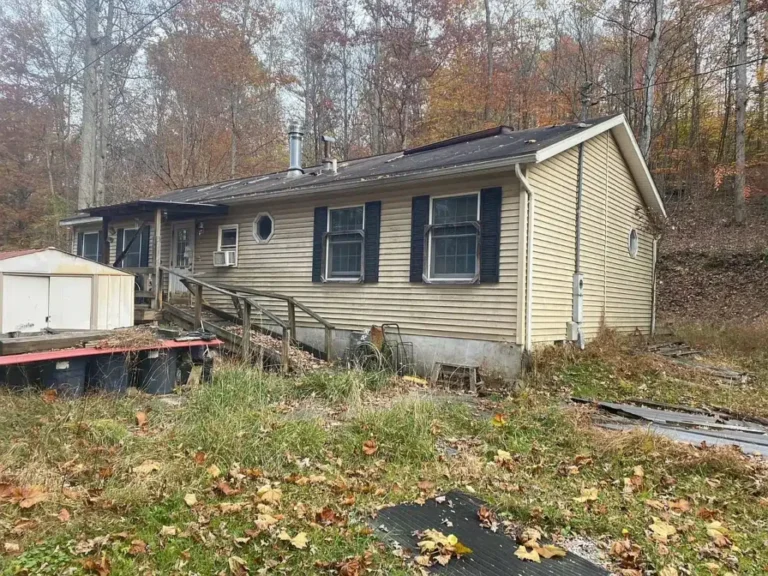
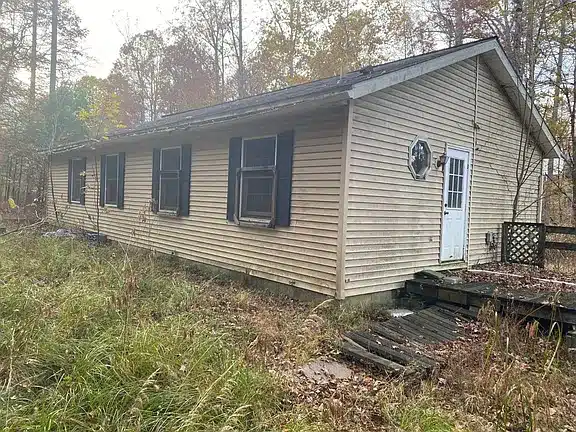
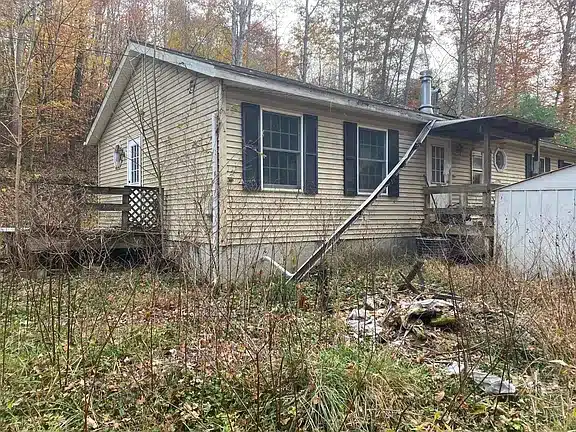
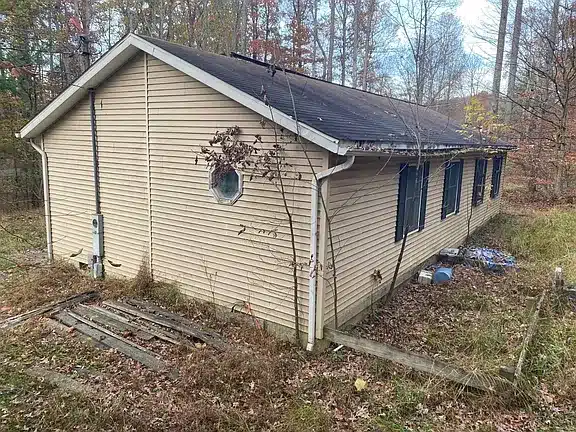
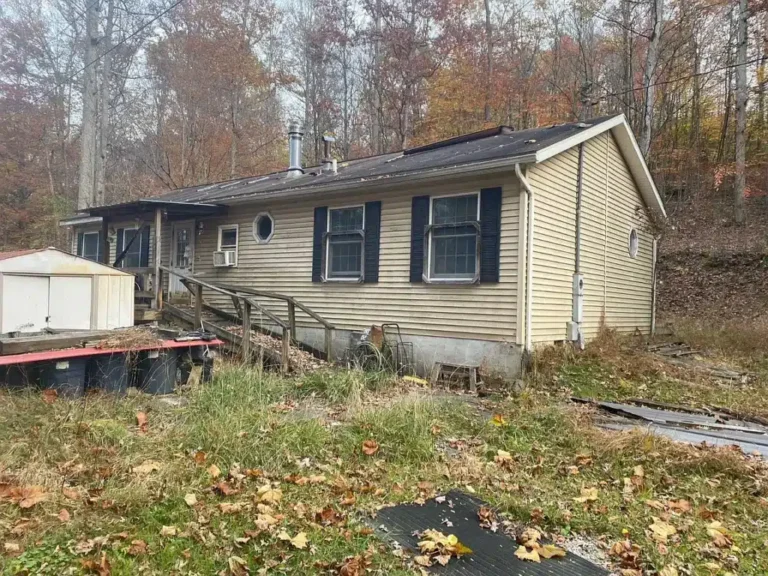
Land that appears usable in photographs may have restrictions that are not immediately visible.
Due Diligence Before an Online Auction
Careful research is especially important when purchasing auction properties.
Because this property is being sold as is, buyers should evaluate potential risks before bidding.
Additionally, auction conditions may differ from traditional real estate transactions.
Reviewing Property Records
Prospective buyers should confirm the property’s legal description.
They should also investigate taxes, title status, and zoning classifications.
Furthermore, recorded liens, easements, assessments, and restrictions may affect ownership.
Checking the Home’s Condition
A professional inspection can help identify potential repair requirements.
However, inspection access may depend on the auction’s rules.
Therefore, buyers should determine what inspections are permitted before committing financially.
Understanding Auction Requirements
Buyers should carefully review registration procedures and payment conditions.
Additionally, they should confirm deposit requirements and closing deadlines.
Other important considerations include occupancy, title matters, and possible buyer’s premiums.
What Buying a Property As Is Means
The property is being offered as is, without warranties or guarantees.
Therefore, buyers should not assume that the seller will complete repairs before closing.
Similarly, they should not expect undiscovered problems to be corrected automatically.
Planning for Unexpected Repairs
Properties requiring renovation can reveal additional problems during construction.
For example, plumbing or electrical issues may become apparent after work begins.
Consequently, buyers should consider reserving funds for unexpected expenses.
Calculating Total Ownership Costs
The purchase price represents only one part of the overall financial commitment.
Additional expenses may include insurance, taxes, inspections, repairs, and utilities.
Furthermore, legal fees and financing costs may apply.
Therefore, buyers should estimate the total cost of ownership rather than focusing only on the winning bid.
Evaluating a Rental Property Strategy
Some investors may consider renovating the home for long-term rental use.
However, the property’s condition and local rental market must support that decision.
Researching Rental Demand
Investors should compare rental rates for similar three-bedroom homes.
Additionally, they should examine vacancy rates and neighborhood demand.
Property management costs and maintenance expenses also deserve attention.
Long-Term Maintenance Planning
Rental properties require ongoing financial planning.
For example, roofs, HVAC equipment, and plumbing systems may eventually need replacement.
Furthermore, electrical upgrades and other major repairs can affect returns.
Consequently, rental projections should use realistic assumptions.
Evaluating a Resale Strategy
Renovating and reselling the property represents another possible investment approach.
However, profitability depends on acquisition costs, improvements, and market conditions.
Comparing Nearby Properties
Investors should research recent sales of comparable homes.
Additionally, they should consider differences in acreage, condition, and location.
The property’s land size may influence its value. Nevertheless, buyers should avoid assuming that every improvement increases resale value.
Understanding Market Conditions
Neighborhood demand and buyer preferences can affect resale potential.
Furthermore, renovation quality and comparable sales influence property valuations.
A qualified local real estate professional may provide useful market information.
Why Acreage Offers Additional Flexibility
The combination of a home and approximately 2.64 acres distinguishes this property from smaller residential lots.
For homeowners, the land may provide space for recreation, gardening, and landscaping.
Meanwhile, investors may investigate additional permitted uses.
However, the presence of land does not guarantee development rights.
Verifying Future Plans
Zoning rules and building codes can limit construction.
Additionally, environmental restrictions and utility availability may affect proposed improvements.
Therefore, buyers should verify their plans with the appropriate authorities before making financial commitments.
Questions Buyers Should Ask Before Bidding
Preparing a due diligence checklist can help buyers evaluate the property.
Important questions include:
- What is the property’s exact legal description?
- What are the current property taxes?
- Are there outstanding liens or assessments?
- Is the property located in a flood zone?
- Which utilities are currently connected?
- Is public water active and available at the home?
- Does the property use public sewer or a private septic system?
- What is the current condition of the roof?
- Are the electrical and plumbing systems functional?
- Does the heating and cooling equipment operate properly?
- Are there known structural concerns?
- Which zoning classification applies?
- Are additional structures permitted?
- Are there restrictions on land use?
- Are any easements recorded against the property?
- What are the auction’s registration and payment requirements?
- How much deposit is required?
- What is the closing timeline?
Answering these questions can help buyers make informed decisions.
Furthermore, professional guidance may clarify issues that are difficult to evaluate independently.
Setting a Maximum Auction Bid
Online auctions can become competitive as bidding progresses.
Therefore, buyers should establish a maximum budget before participating.
A predetermined limit can help prevent emotional decisions.
Expenses to Include in the Budget
Buyers should account for more than the purchase price.
For example, closing costs, taxes, insurance, and inspections may apply.
Additionally, renovation expenses, utility costs, and financing charges can increase the total investment.
Legal fees and unexpected repairs should also receive consideration.
Maintaining Financial Discipline
A maximum bid should reflect the property’s estimated value and expected expenses.
However, buyers should avoid increasing their limits simply because other participants continue bidding.
Consequently, careful preparation can support more disciplined financial decisions.
A Property With Several Possible Uses
This property combines three bedrooms, one bathroom, approximately 2.64 acres, and public water access.
Additionally, the online auction format creates a different purchasing process from a conventional listing.
Different buyers may approach the opportunity in different ways.
Options for Investors
An investor might investigate renovation and resale.
Alternatively, a landlord could evaluate the property’s rental potential.
However, either strategy requires research into market conditions and expenses.
Options for Homeowners
A homeowner may consider renovating the property for personal use.
Furthermore, the land could provide additional outdoor space.
Nevertheless, the home’s condition and local regulations must support the intended plans.
Options for Land-Focused Buyers
Some buyers may place greater importance on the acreage.
For example, they might investigate gardening, outdoor activities, or future permitted improvements.
However, all proposed uses require independent verification.
Final Thoughts on This Online Auction Property
This three-bedroom, one-bath home on approximately 2.64 acres offers several possibilities for buyers willing to conduct careful research.
The online auction will determine the final purchase price through the bidding process. Therefore, buyers should disregard previously advertised reference prices when establishing their own valuations.
Additionally, the property’s acreage provides potential flexibility, while public water access represents an important utility feature.
However, the unknown interior condition and as-is sale terms require caution.
Depending on inspections, local regulations, and financial considerations, the property may suit different purposes.
For example, buyers might explore renovation, personal occupancy, rental use, resale, or land-focused ownership.
Nevertheless, none of these outcomes should be assumed before completing appropriate due diligence.
Preparing Before the Auction
Prospective buyers should review the official auction terms.
Additionally, they should investigate property records, utilities, zoning, title information, and possible renovation costs.
A professional inspection may also provide valuable information when access is permitted.
Finally, establishing a realistic maximum bid can help buyers approach the auction with greater confidence.
With careful preparation, prospective purchasers can better understand the property’s characteristics, limitations, and financial responsibilities.
Important Notice: This article provides general information only. It does not constitute legal, financial, tax, real estate, or investment advice. Buyers should independently verify property details, auction terms, utilities, zoning, taxes, title information, and permitted uses. They should consult the seller, auction provider, local authorities, and qualified professionals before bidding. The property is offered as is, and buyers remain responsible for their own due diligence.
Register online and prepare to bid when the auction goes live.
ZILLOW LISTING AND FULL GALLERY