As discussions about COVID-19 vaccine safety continue, researchers are examining reported side effects, rare complications, and the importance of separating scientific evidence from viral misinformation.
Since the global rollout of COVID-19 vaccines, billions of doses have been administered worldwide. While most people experienced either no side effects or mild reactions such as soreness, fatigue, headaches, or fever, reports of more serious medical conditions have occasionally attracted widespread attention.
These reports have raised questions among individuals who want to better understand vaccine safety, potential complications, and how scientists investigate unusual medical events.
However, medical professionals emphasize that developing a health condition after vaccination does not automatically mean the vaccine caused it.
Understanding the difference between a medical event that occurs after vaccination and one directly caused by vaccination is essential when evaluating health information.
Why Concerns About Vaccine Safety Continue to Spread
Public concern often increases when dramatic medical images or personal stories circulate on social media.
In many cases, these stories are shared without complete medical records, verified diagnoses, or explanations from healthcare professionals.
This can make it difficult for readers to determine whether a reported condition was related to vaccination or resulted from another underlying medical issue.
Health experts explain that when millions of people receive a vaccine, some individuals will naturally develop unrelated illnesses during the same period.
These events may occur days or weeks after vaccination without having any direct connection to the vaccine itself.
For this reason, researchers rely on large population studies, medical investigations, and vaccine safety monitoring systems rather than individual reports alone.
These systems help scientists identify patterns that may indicate genuine safety concerns.
What Studies Have Revealed About COVID-19 Vaccine Side Effects
Scientific studies conducted around the world have identified several rare but recognized side effects associated with certain COVID-19 vaccines.
These findings emerged through extensive monitoring programs designed to detect medical events that may not have appeared during initial clinical trials.
One documented concern involves myocarditis, an inflammation of the heart muscle, and pericarditis, inflammation of the tissue surrounding the heart.
These conditions have been observed rarely following certain COVID-19 vaccines, particularly among adolescent and young adult males.
Although many affected individuals recovered after receiving appropriate medical care, some required hospitalization, and researchers continue to investigate longer-term outcomes.
Another recognized complication involved an unusual blood-clotting disorder associated with certain adenovirus-vector vaccines.
Health authorities investigated these cases and updated recommendations as additional evidence became available.
These findings demonstrate why vaccine safety monitoring continues even after a vaccine has been authorized for public use.
Understanding the Difference Between Correlation and Causation
One of the most important principles in medical research is understanding that two events occurring close together do not necessarily mean one caused the other.
For example, someone may develop unexplained leg pain, fatigue, inflammation, or another medical condition shortly after receiving a vaccine.
Although the timing may raise understandable questions, establishing a medical connection requires additional investigation.
Doctors may review the patient’s medical history, existing health conditions, laboratory results, imaging studies, and other relevant information.
Researchers also compare the frequency of reported conditions among vaccinated and unvaccinated populations, accounting for factors such as age and underlying health risks.
If a particular condition occurs more frequently than expected after vaccination, scientists may investigate whether a causal relationship exists.
This process helps distinguish genuine adverse reactions from unrelated medical events.
Why Viral Medical Images Can Be Misleading
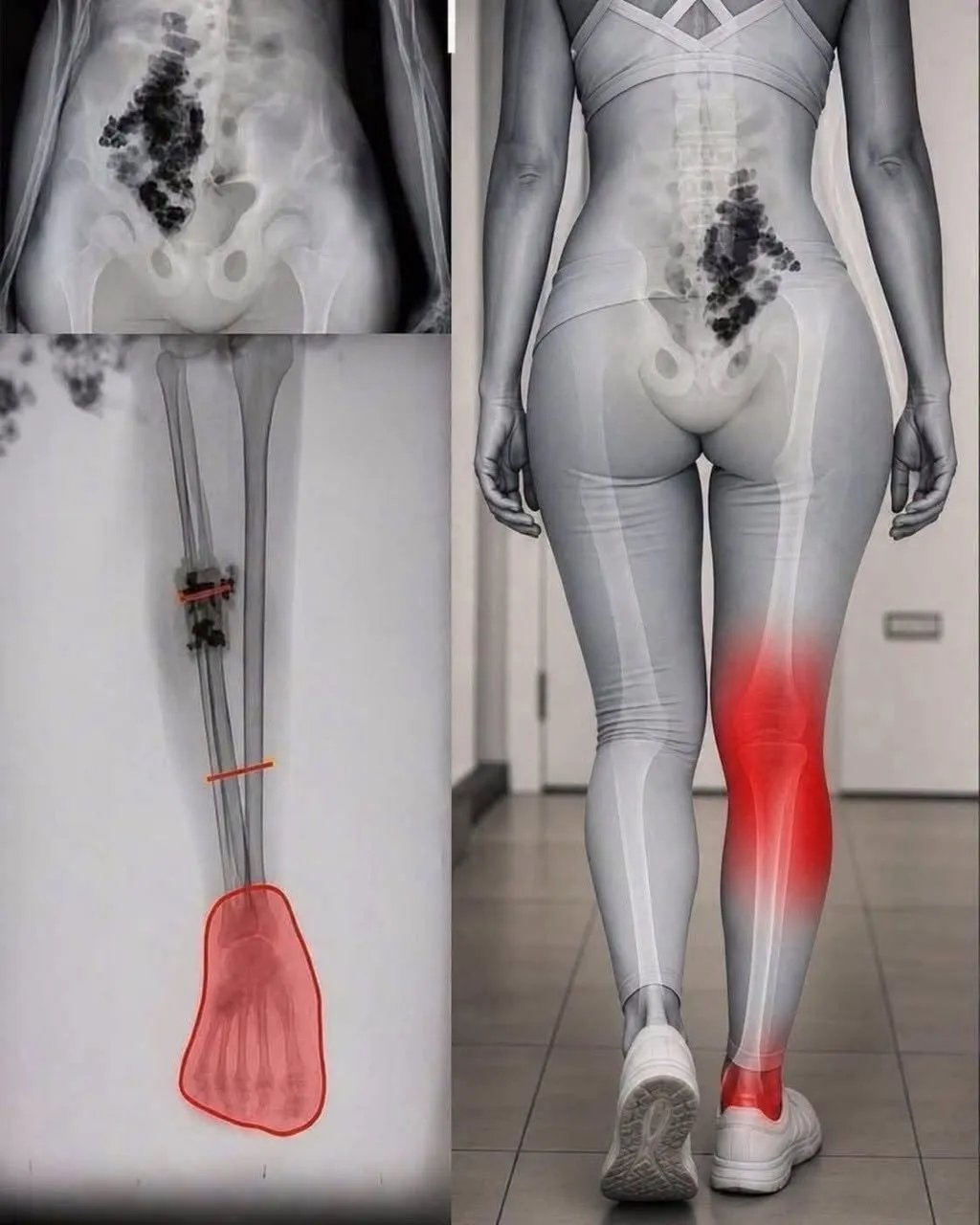
Medical images can attract significant attention online, particularly when they appear to show unusual changes in bones, blood vessels, or internal organs.
However, an image alone cannot establish the cause of a medical condition.
Radiology scans and other diagnostic images require interpretation by qualified healthcare professionals who have access to the patient’s medical history and clinical findings.
Without this information, viewers may incorrectly associate an image with a vaccine, medication, infection, or another medical event.
Health experts therefore encourage readers to avoid drawing conclusions from dramatic photographs shared without reliable medical context.
A legitimate medical case report should include sufficient clinical evidence to explain the diagnosis and any proposed connection to a particular treatment or exposure.
COVID-19 Infection Can Also Cause Serious Complications
Researchers have also examined the potential health consequences of COVID-19 infection itself.
Studies have identified associations between infection and several serious medical conditions, including cardiovascular complications, blood-clotting disorders, respiratory damage, and neurological symptoms.
The risks vary depending on age, previous infections, vaccination history, underlying health conditions, and other individual factors.
For this reason, evaluating vaccine safety involves comparing potential vaccine-related complications with the risks associated with infection.
Medical recommendations may differ across age groups and populations as new evidence becomes available.
Scientists continue to analyze these findings to improve public health guidance and help individuals make informed healthcare decisions.
Separating Scientific Evidence From Viral Claims
Social media platforms frequently amplify dramatic headlines suggesting that COVID-19 vaccines are responsible for widespread illness.
However, many viral claims rely on anecdotal reports, incomplete medical information, or images presented without verified context.
A personal account may justify further investigation, but it does not independently establish a medical cause.
Reliable health information generally comes from peer-reviewed research, recognized medical institutions, and transparent scientific investigations.
Readers should pay particular attention to whether a report explains how researchers reached their conclusions and whether other studies have produced similar findings.
When new or unexplained symptoms appear, individuals should consult qualified healthcare professionals rather than relying exclusively on information circulating online.
Proper diagnosis may require a physical examination, laboratory testing, medical imaging, and specialist evaluation.
Why Vaccine Safety Monitoring Continues
Vaccine safety monitoring does not end when a vaccine becomes available to the public.
Researchers continue collecting and analyzing information to identify uncommon adverse reactions and better understand longer-term health outcomes.
These investigations are an essential part of modern medicine.
As new findings emerge, healthcare authorities may update recommendations, modify warnings, or introduce additional precautions for particular populations.
This ongoing evaluation allows medical guidance to reflect the best available scientific evidence.
It also highlights the importance of transparent communication about both the benefits and potential risks of medical interventions.
Final Thoughts
COVID-19 vaccine safety remains an important subject of scientific research and public discussion.
Although rare serious complications have been identified, current evidence does not support claims that vaccination is causing widespread unexplained illness.
At the same time, legitimate safety concerns deserve careful investigation rather than dismissal or speculation.
Understanding the difference between correlation and causation, consulting credible medical sources, and seeking professional medical advice are essential steps toward making informed health decisions.
As research continues, accurate information and responsible communication remain critical to understanding both vaccine safety and the broader health consequences of COVID-19.