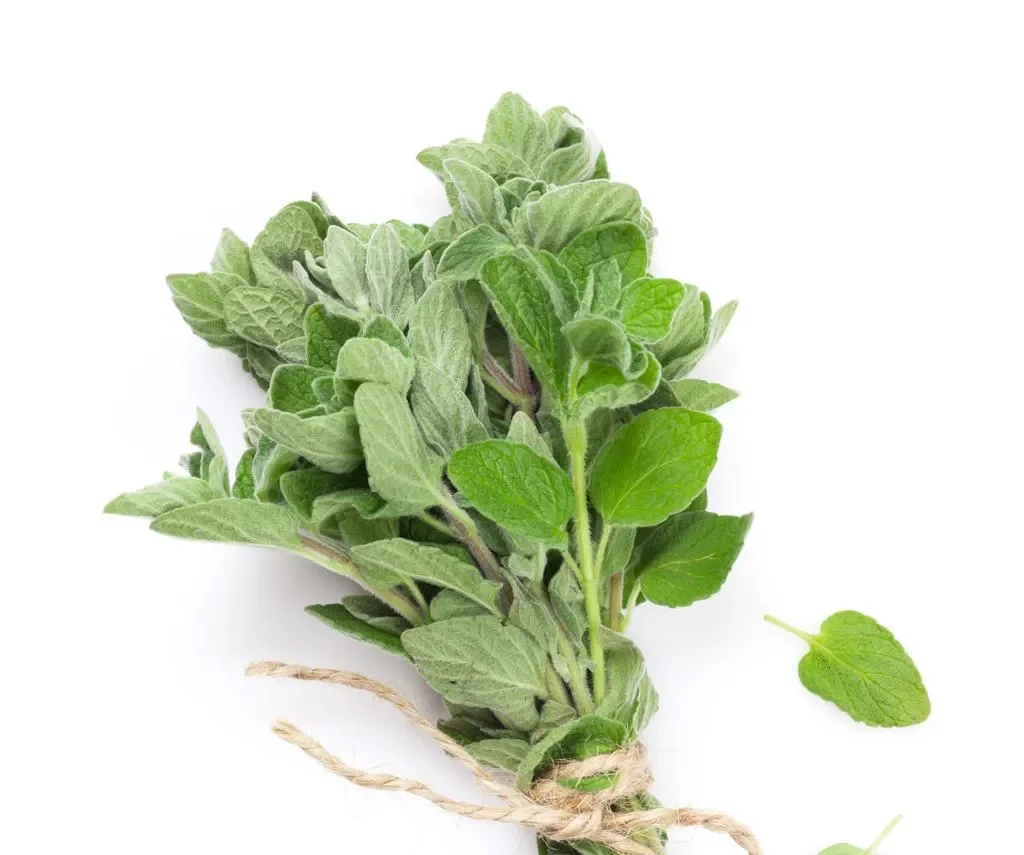
Some herbs may offer health benefits. However, no single plant has been proven to cure every infection or illness.
Claims about a so-called “miracle herb” often spread quickly online. Some posts suggest that one plant can destroy parasites, cure urinary tract infections (UTIs), fight viruses, reduce arthritis symptoms, and treat many other conditions.
The scientific evidence is far more limited.
Certain medicinal plants contain compounds with antimicrobial properties. Still, experts emphasize that no single herb has been proven to cure all of these conditions.
Two herbs often mentioned in these discussions are oregano and uva ursi.
Oregano Oil and Its Active Compounds
Oregano (Origanum vulgare) has been studied for its natural antimicrobial properties.
Oregano essential oil contains compounds such as carvacrol and thymol. Laboratory studies have shown that these substances may affect the growth of certain bacteria and microorganisms.

Researchers have also investigated oregano oil against bacteria associated with urinary tract infections.
For example, laboratory studies suggest that oregano compounds may inhibit bacteria such as Escherichia coli and Proteus vulgaris.
These bacteria are sometimes linked to urinary infections.
However, there is an important limitation.
Most of this evidence comes from laboratory or early-stage research. Therefore, it does not prove that oregano oil can safely or reliably treat a UTI in humans.
More clinical research is needed.
Can Oregano Oil Fight Parasites?
Oregano oil has also been studied for possible activity against certain intestinal microorganisms.
Some small studies have investigated its effects on organisms such as Blastocystis hominis.
The results have created interest in oregano as a possible supportive remedy. However, the evidence remains limited.
In addition, different parasites require different treatments.
For that reason, oregano oil should not be considered a universal treatment for parasitic infections.
Anyone who suspects a parasite should first receive a proper diagnosis.
What About Uva Ursi?
Another herb traditionally associated with urinary health is uva ursi, also known as bearberry.
Uva ursi contains a compound called arbutin.
After entering the body, arbutin can be converted into substances that have antibacterial properties. Because of this, uva ursi has been used traditionally for urinary symptoms.
However, modern research has produced mixed results.
Although some health authorities recognize its history of traditional use, there is still not enough strong evidence to consider uva ursi a reliable replacement for standard UTI treatment.
It should also not be used continuously for long periods.
Excessive or improper use may increase the risk of side effects.
Herbal Products Are Not Risk-Free
It is easy to assume that a natural product is automatically safe.
That is not always true.
Herbal supplements can vary greatly in quality, purity, strength, and concentration.
Essential oils are especially concentrated.
For example, using oregano oil incorrectly may cause:
- Stomach irritation
- Allergic reactions
- Interactions with medications
- Other unwanted side effects
People with existing medical conditions or those taking medication should be particularly careful before using concentrated herbal products.
When UTI Symptoms Need Medical Attention
A urinary tract infection should not be ignored.
Common symptoms can include painful urination, frequent urination, pelvic discomfort, or a strong urge to urinate.
More serious symptoms may include:
- Fever
- Blood in the urine
- Back or side pain
- Chills
- Nausea or vomiting
These symptoms may indicate that an infection has become more serious.
Without proper treatment, some bacterial urinary infections can spread to the kidneys.
Therefore, anyone with persistent or severe symptoms should seek medical evaluation.
Parasitic Infections Also Require Proper Diagnosis
The same principle applies to suspected parasites.
There are many different types of parasitic infections, and they do not all respond to the same treatment.
Symptoms alone may not be enough to identify the cause.
A healthcare professional may recommend tests to determine which organism is responsible before choosing the appropriate treatment.
The Bottom Line
Herbs such as oregano and uva ursi contain compounds that researchers continue to study.
Some laboratory findings are promising, especially when it comes to antimicrobial activity.
However, promising laboratory results are not the same as proven medical treatment.
Herbal remedies may sometimes have a supportive role, but they should not be promoted as miracle cures or used as substitutes for necessary medical care.
Good hydration, proper hygiene, a balanced diet, accurate diagnosis, and evidence-based treatment remain the safest foundation for protecting urinary and digestive health.