Own a 1907 Tudor Revival Mansion Wrapped in History
The Fierke Mansion: A West Dundee Landmark & Income Powerhouse
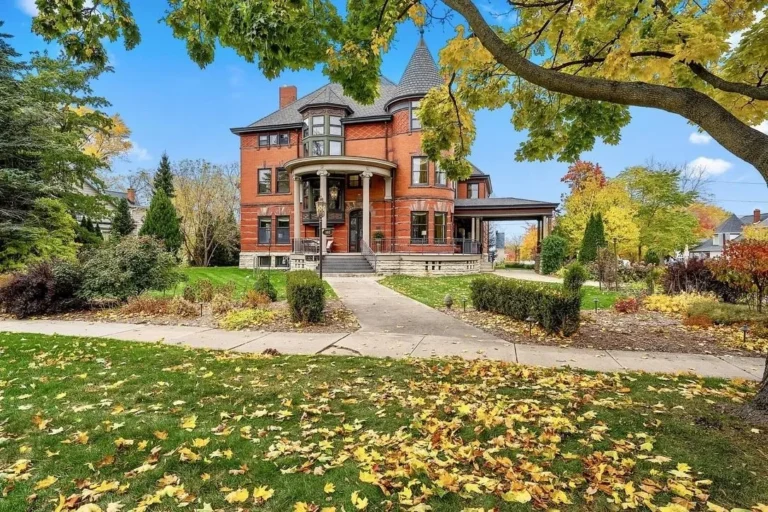
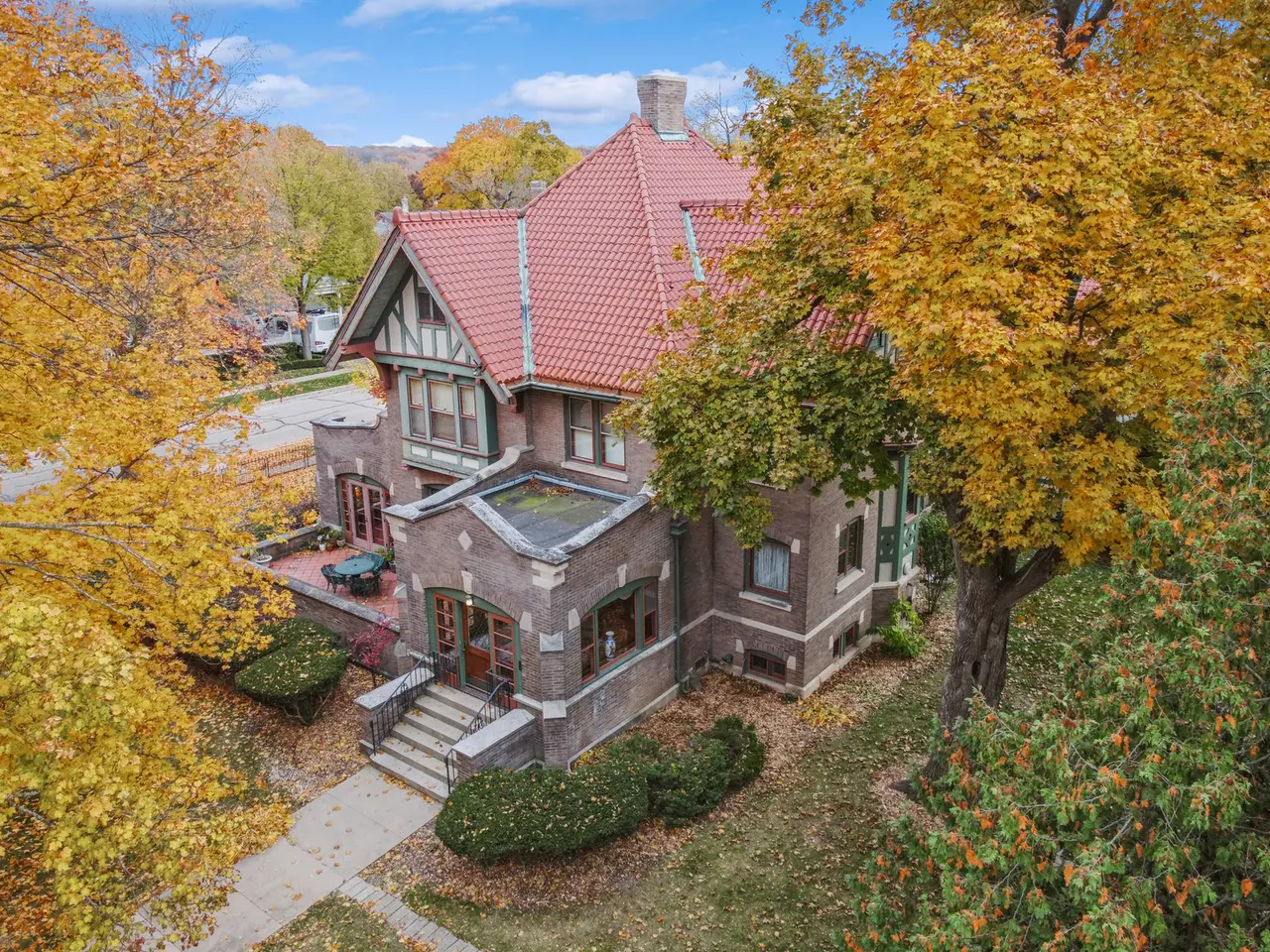
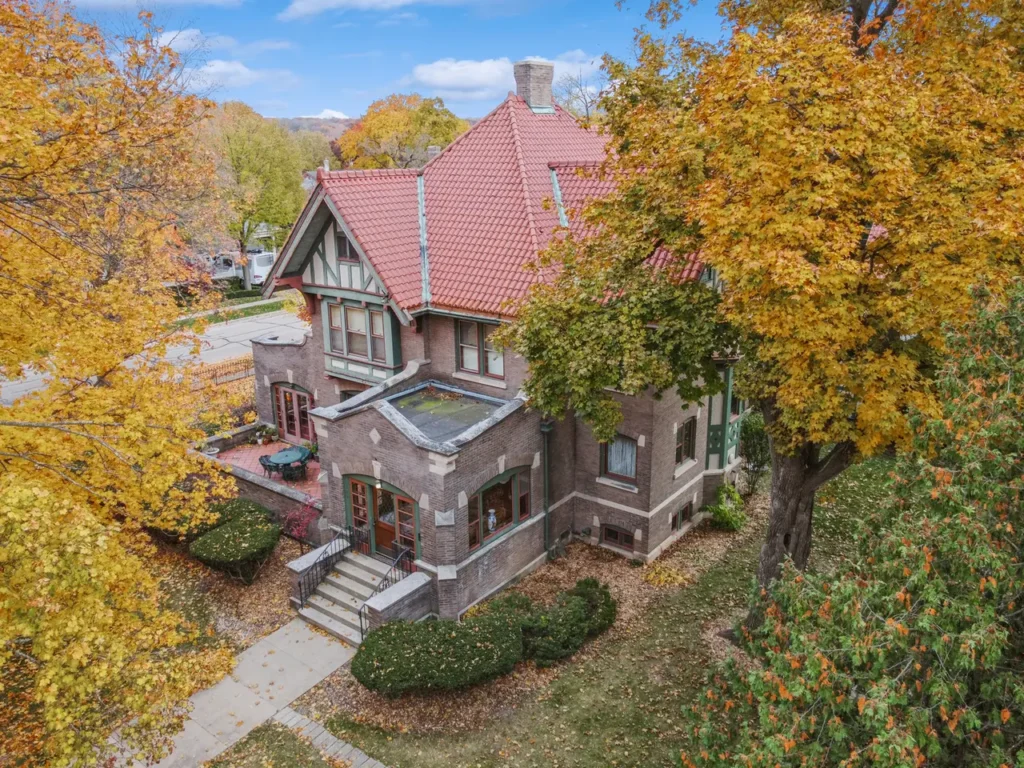
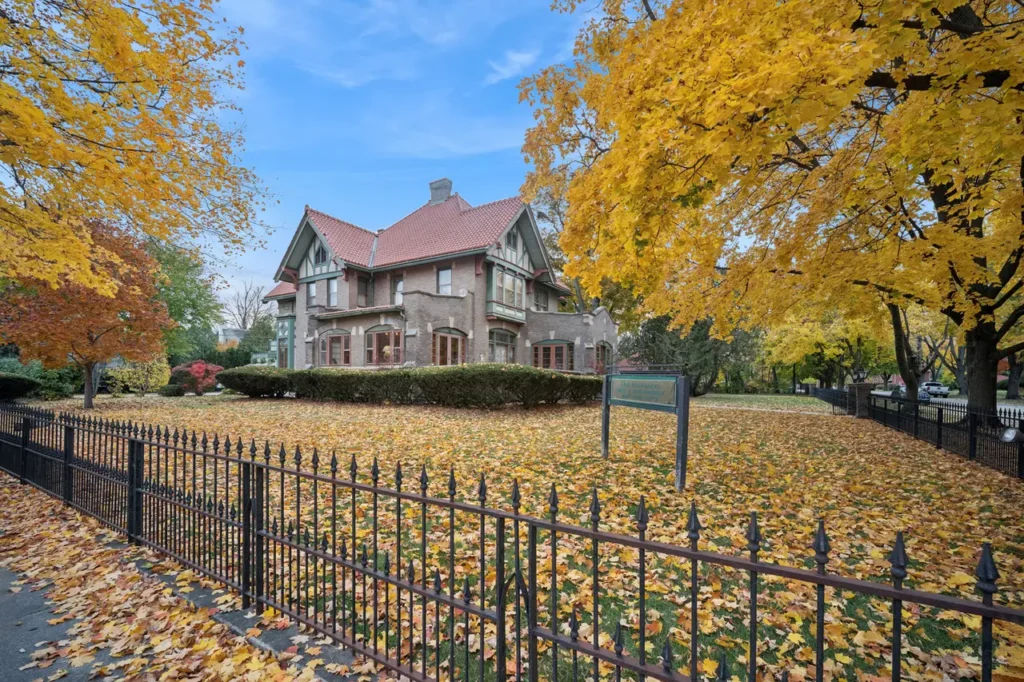
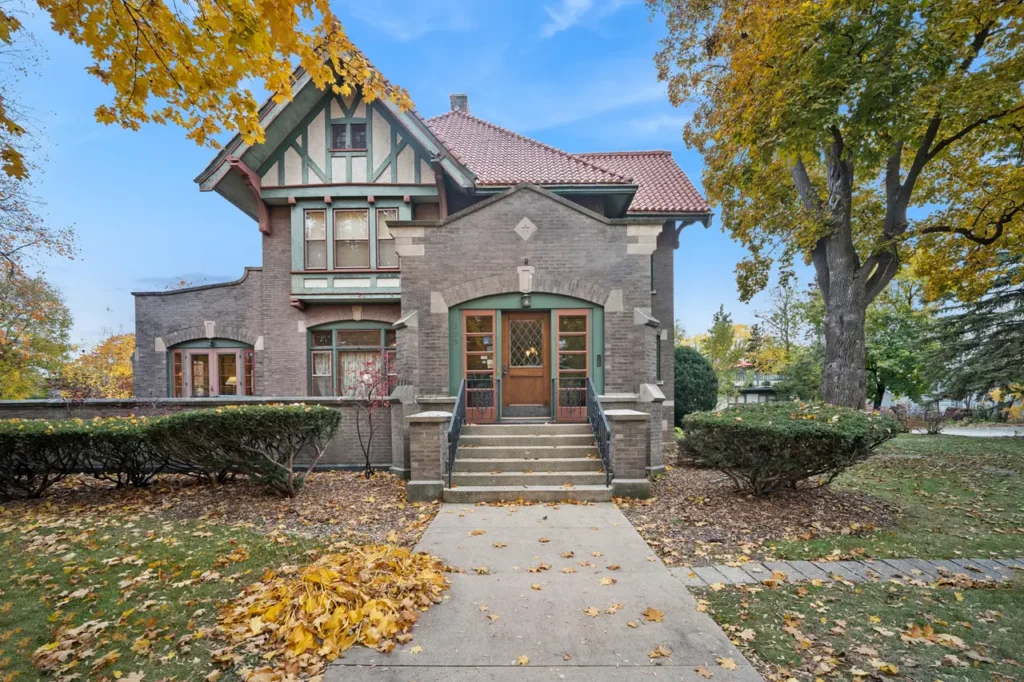
Step back into the Gilded Age with The Mansion at 305 Oregon Ave, a masterwork of Tudor Revival architecture. Built in 1907 for John F. Fierke, president of the Illinois Iron & Bolt company, this nearly 9,000 sq ft estate remains one of West Dundee’s most iconic residences.
It is still encircled by its original, handcrafted ornamental iron fence—a direct product of the industrial legacy that built the town.
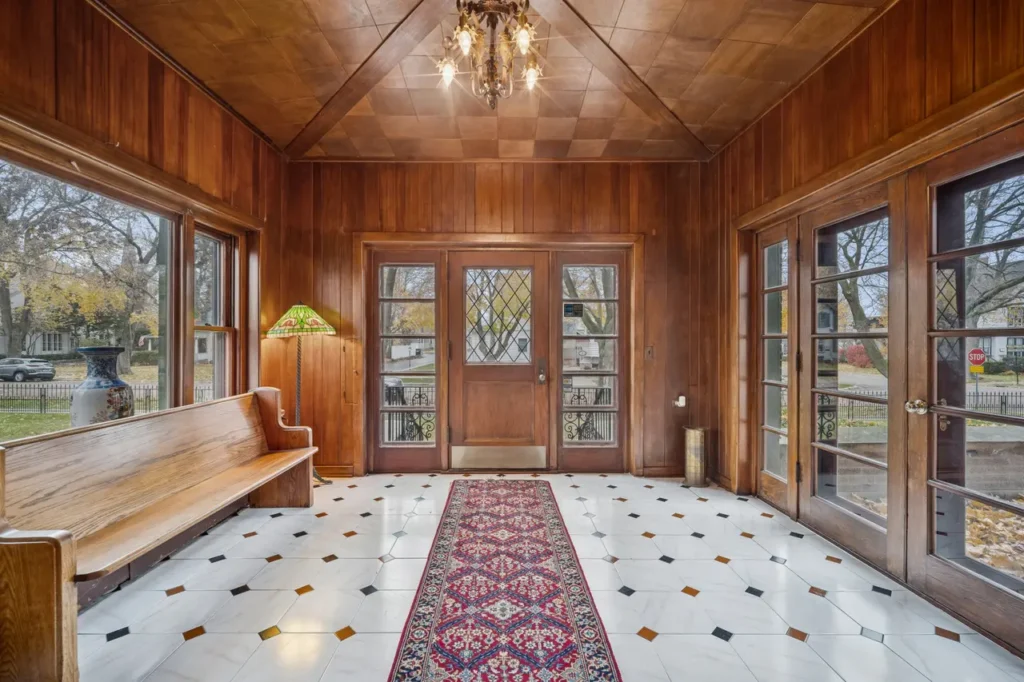
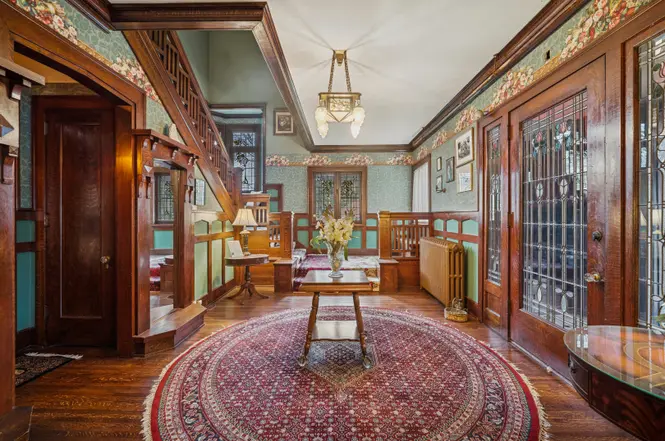
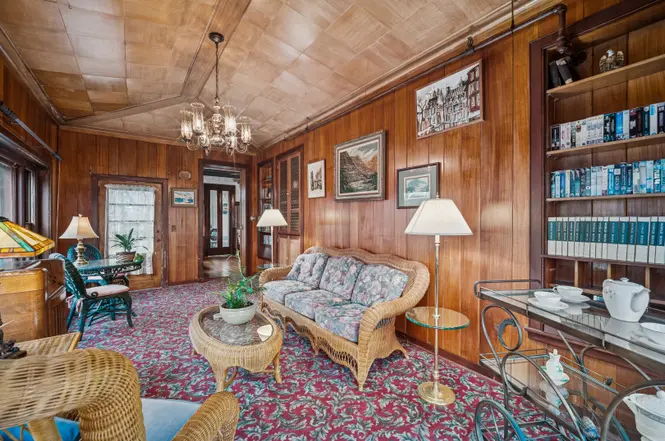
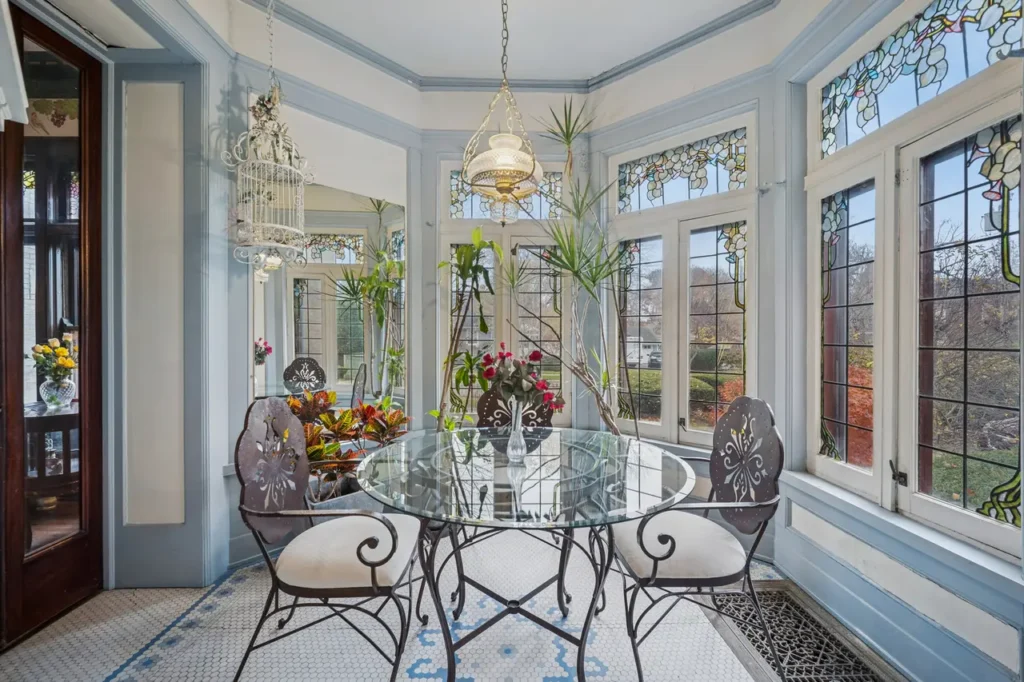
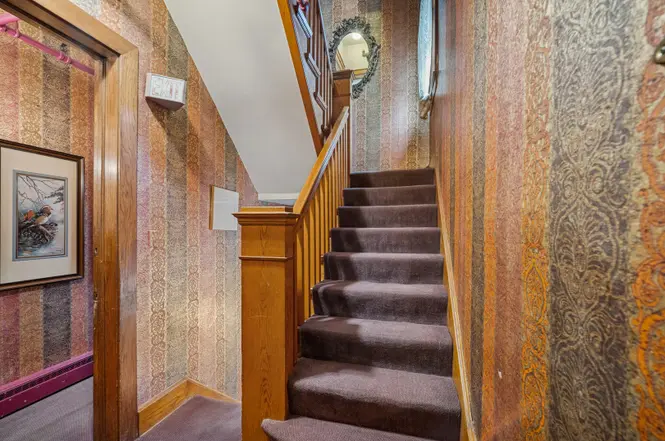
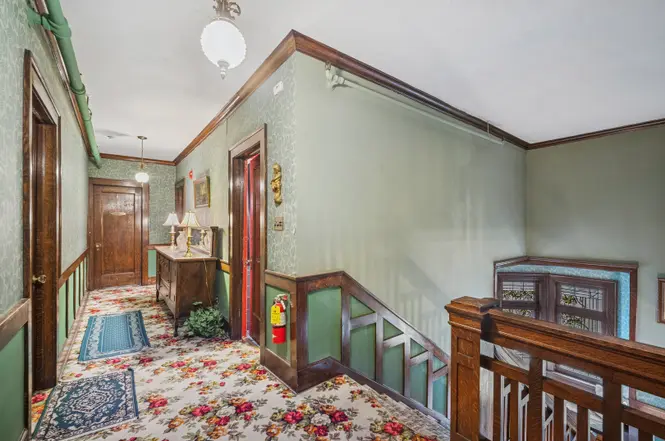
This sprawling property offers unparalleled flexibility, currently functioning as a multi-unit income property. Behind its brick and limestone facade, you’ll discover extraordinary period details: 36 stained-glass windows, quartersawn white-oak millwork, a grand sweeping staircase, and an octagonal morning room.
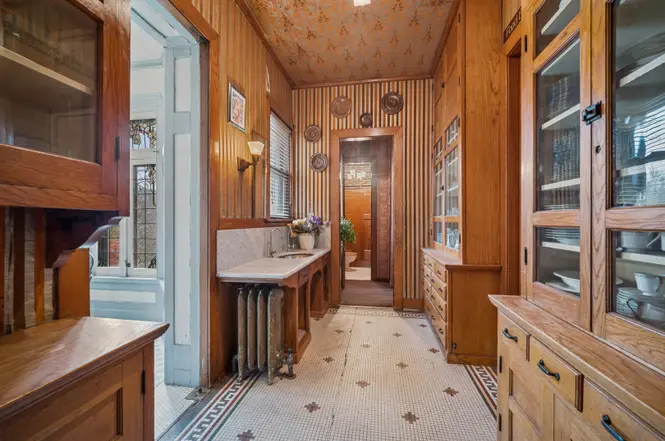
The formal dining room is a treasure trove of mahogany built-ins and original China cabinets, while a full Butler’s Pantry maintains the home’s authentic early-20th-century flow.
The estate’s unique configuration and R-B (Residential-Business) zoning make it a versatile investment:
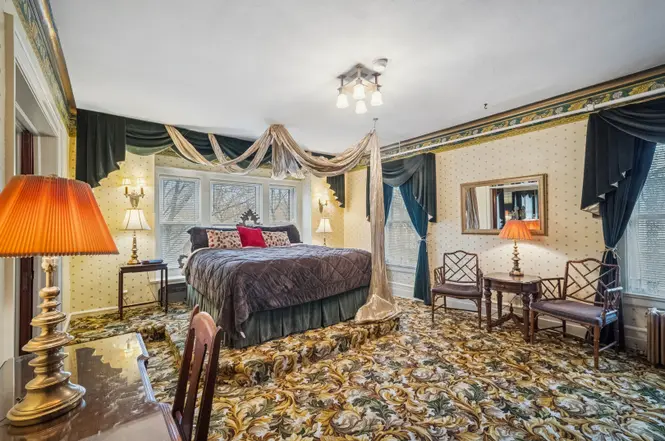
The Main House: Features 8 bedrooms and 9 bathrooms (including 4 extended-stay units).
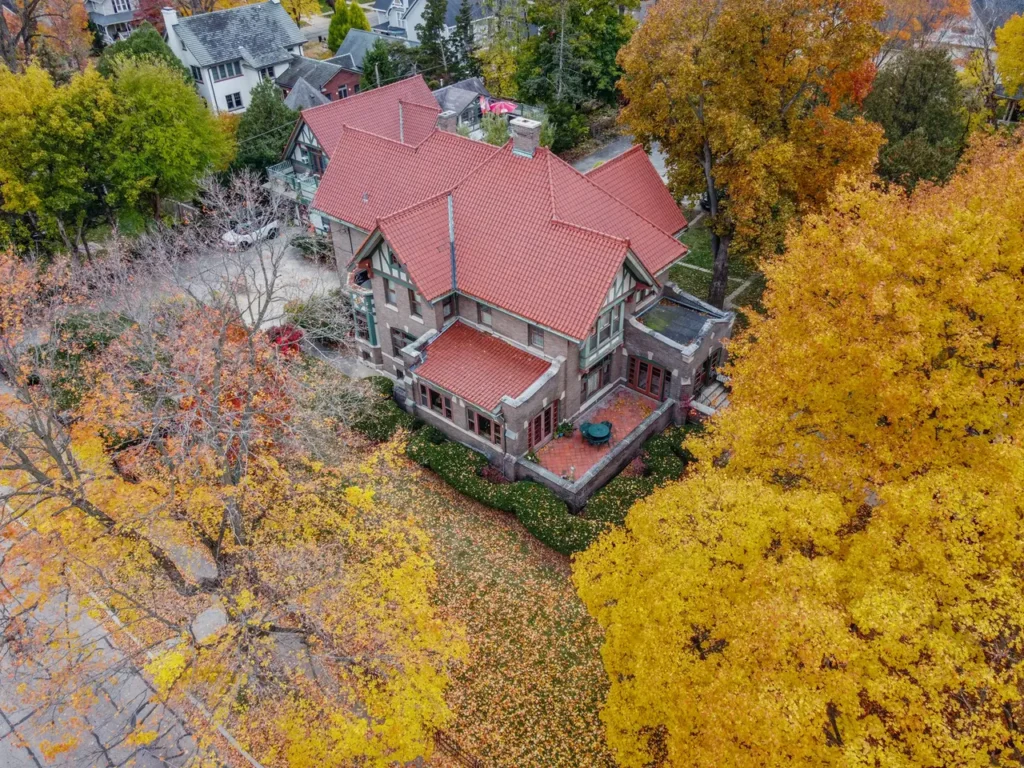
The Coach House: Converted into three separate apartments (Apts A, B, and C).
Income & Incentives: Located within a TIF district, the property may qualify for financial incentives. It is perfectly suited for a luxury B&B, wedding venue, or a live-work lifestyle where rental income offsets your mortgage.
Investment Snapshot
Price: $899,900 💸
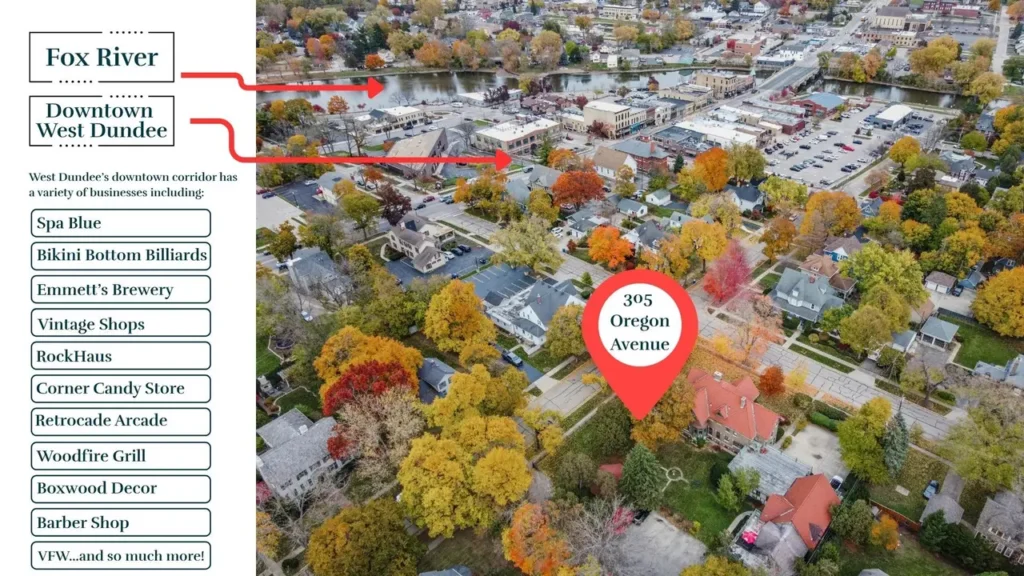
Location: 305 Oregon Ave, West Dundee, IL 60118 📍
Beds/Baths (Total): 13 🛏️ / 13 🛁
Square Footage: ~9,000 sq ft (Main Residence) 📐
Year Built: 1907 🕰️
Lot Size: 0.81 Acres 🌳
Zoning: R-B (Residential-Business) — Ideal for B&B or Multi-Unit 🏘️




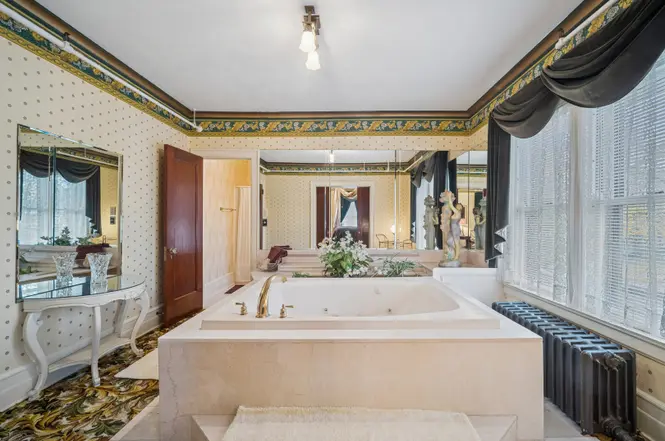
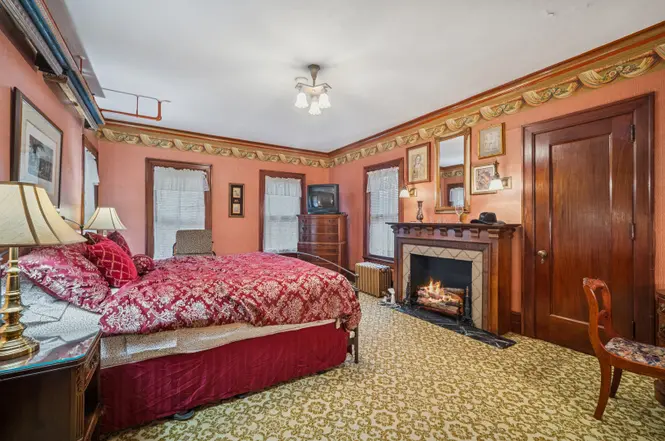
From Zillow
Historical Significance
The original owner, John F. Fierke, was a pillar of the community. Beyond presiding over the Illinois Iron & Bolt company (once the area’s largest employer), he was instrumental in founding the Bethlehem Lutheran Church in 1909. His home was designed to reflect this prominence, using the finest materials of the era, including an antique clay tile roof that still crowns the structure today.