
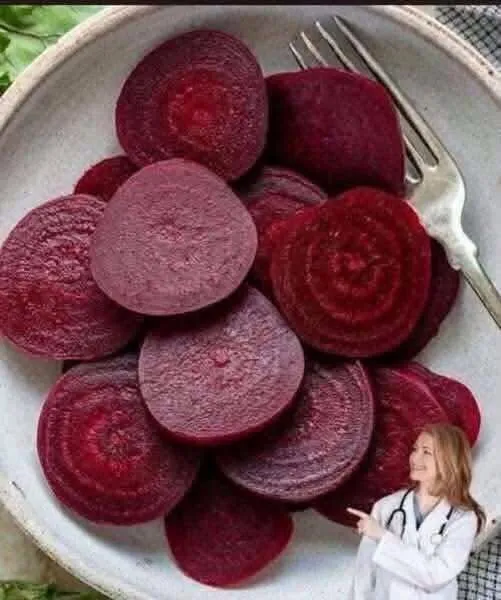
Beets may not be the first vegetable that comes to mind when planning a healthy meal, but their nutritional profile makes them well worth considering.
Naturally rich in dietary nitrates, fiber, folate, potassium, manganese, and antioxidant compounds, beets can contribute to several aspects of health when eaten as part of a balanced diet.
From supporting healthy blood flow to providing nutrients that help with digestion and normal body function, this colorful root vegetable offers more than its distinctive appearance might suggest.
Beets are not a cure or a miracle food, but regularly including them in meals can be a simple way to add more plant-based nutrients to your diet.
Fresh beets contain fiber, natural nitrates, vitamins, minerals, and antioxidant plant compounds.
Natural Nitrates May Support Healthy Blood Flow
One of the most studied characteristics of beets is their naturally high nitrate content.
After nitrate-rich foods are eaten, the body can convert dietary nitrates into nitric oxide. Nitric oxide helps blood vessels relax and widen, a process known as vasodilation.
This can improve blood flow and help oxygen and nutrients travel efficiently throughout the body.
Because of this effect, beetroot and beetroot juice have attracted interest in research related to cardiovascular health and exercise performance.
However, the response can vary from person to person, and eating beets should not be considered a substitute for medication or medical treatment.
They May Help Support Healthy Blood Pressure
The effect of nitric oxide on blood vessels may also influence blood pressure.
Research involving beetroot and beetroot juice has found that dietary nitrates can produce modest reductions in blood pressure in some people.
That does not mean beets will lower everyone’s blood pressure or replace prescribed medication. Instead, they may be one useful component of a heart-conscious diet that also includes fruits, vegetables, whole grains, legumes, healthy fats, regular physical activity, and adequate sleep.
Anyone taking blood-pressure medication or managing a cardiovascular condition should continue following the advice of their healthcare professional.
Why Beetroot Is Popular With Athletes
Beetroot juice has become particularly popular among endurance athletes.
The reason again comes back to nitrates.
Improved nitric oxide availability may help the body use oxygen more efficiently during certain types of exercise. Some studies have found improvements in exercise efficiency and endurance after consuming nitrate-rich beetroot products.
The effects are not identical for everyone, and trained athletes may respond differently than recreational exercisers.
Still, beetroot remains one of the most extensively studied nitrate-rich foods in sports nutrition.
Beetroot juice is commonly used by runners, cyclists, and other endurance athletes.
Beets Contain Powerful Plant Pigments
The deep red and purple colors found in many varieties of beets come from natural pigments called betalains.
Betalains have antioxidant properties and are being studied for their potential role in protecting cells from oxidative stress.
Oxidative stress occurs when there is an imbalance between free radicals and the body’s ability to neutralize them.
Antioxidants obtained from fruits and vegetables help support the body’s natural protective systems.
Beets also provide other beneficial plant compounds, which is another reason colorful vegetables are commonly recommended as part of a varied diet.
They Can Support Digestive Health
Whole beets are a useful source of dietary fiber.
Fiber helps support normal digestion, contributes to regular bowel movements, and provides nourishment for beneficial bacteria in the digestive system.
Many adults consume less fiber than recommended, so including more vegetables such as beets can help increase overall intake.
Roasted or boiled beets can easily be added to salads, grain bowls, soups, and side dishes without significantly changing a person’s normal eating routine.
Whole beets also provide something beet juice largely does not: fiber.
Beets Provide Several Important Nutrients
Beets contain a range of vitamins and minerals, including:
- Folate
- Potassium
- Manganese
- Vitamin C
- Magnesium
- Small amounts of iron
Folate is particularly important for normal cell division and DNA production.
Potassium contributes to normal muscle and nerve function and helps regulate fluid balance.
Manganese is involved in several metabolic processes, while vitamin C supports immune function and acts as an antioxidant.
Rather than relying on one nutrient alone, the combination of nutrients found in vegetables such as beets contributes to the benefits of a varied diet.
Could Beets Support Brain Health?
Researchers have also examined whether dietary nitrates could influence blood flow to the brain.
Because the brain depends on a continuous supply of oxygen and nutrients, healthy circulation is important for normal cognitive function.
Some small studies have explored whether nitrate-rich foods may influence cerebral blood flow, particularly among older adults.
The evidence is still developing, however, and it would be too early to describe beets as a food that directly improves memory or prevents cognitive decline.
Brain health depends on many factors, including physical activity, sleep, social interaction, mental stimulation, cardiovascular health, and overall nutrition.
Beets can easily be combined with other vegetables, grains, nuts, herbs, and healthy proteins.
What About Inflammation?
Another area of interest involves the betalain compounds found in beets.
Laboratory and human research has explored their potential antioxidant and anti-inflammatory properties.
However, inflammation is complex, and no single food can eliminate chronic inflammation or prevent disease on its own.
A dietary pattern rich in vegetables, fruits, legumes, whole grains, nuts, seeds, and other minimally processed foods is generally more important than relying on one individual ingredient.
Beets can be a nutritious part of that pattern.
Whole Beets or Beet Juice?
Both can have a place in a balanced diet.
Beetroot juice provides a concentrated source of dietary nitrates and is commonly used in studies examining exercise performance and blood pressure.
Whole beets, meanwhile, provide dietary fiber and may be more filling.
People who enjoy beet juice can certainly include it in their diet, but eating whole vegetables remains important as well.
One option is to alternate between whole beets and beetroot juice depending on personal preference and nutritional goals.
Don’t Panic If Your Urine Turns Pink
One unusual effect of eating beets can surprise people who have never experienced it before.
After consuming beets, some people notice that their urine or stool develops a pink, red, or reddish-purple color.
This phenomenon is known as beeturia.
It happens when beet pigments pass through the digestive system and is generally harmless.
The color usually disappears after the pigments have passed through the body.
However, blood in urine or stool can have other causes. If reddish discoloration appears without having recently eaten beets, persists, or is accompanied by other symptoms, it should not automatically be assumed to be beeturia.
Are There Any Reasons to Be Careful?
For most people, beets can be safely enjoyed as part of a normal diet.
However, beets contain naturally occurring oxalates. People who have been advised by a healthcare professional to limit oxalate-rich foods because of certain types of kidney stones may need to pay attention to how much they consume.
People taking medication for blood pressure should also be aware that beetroot may have a mild blood-pressure-lowering effect.
These concerns do not mean most people need to avoid beets. They simply show why individual health conditions can influence what constitutes the best diet for a particular person.
Easy Ways to Add Beets to Your Diet
Beets are surprisingly versatile.
They can be:
- Roasted with herbs and olive oil
- Sliced into salads
- Added to grain bowls
- Blended into smoothies
- Used in soups
- Juiced with fruits and vegetables
- Pickled for a stronger flavor
- Served alongside other roasted vegetables
Their naturally earthy and slightly sweet flavor pairs particularly well with citrus, leafy greens, walnuts, goat cheese, yogurt, herbs, and whole grains.
The Bottom Line
Beets are a nutrient-rich vegetable that can make a valuable addition to many diets.
Their natural nitrates may support healthy blood flow and exercise efficiency, while their fiber contributes to digestive health. They also provide folate, potassium, manganese, antioxidants, and other useful nutrients.
The greatest benefits are likely to come not from eating enormous quantities of beets, but from including them regularly as part of a varied and balanced diet.
Whether roasted, boiled, blended, pickled, or enjoyed as beetroot juice, beets offer an easy way to add more color, nutrients, and plant-based foods to everyday meals.