The J.H. Francis House: A Cinematic Legend on “Beer Baron Row.”
High Wine District Landmark: A Monumental Restoration Available to the market for the first time in over seventy years, this residence in Peoria’s High Wine District is less a house and more a civic institution. Spanning a monumental 9,000 square feet, the structure commands over half an acre directly opposite Giant Oak Park. Its cultural … Read more
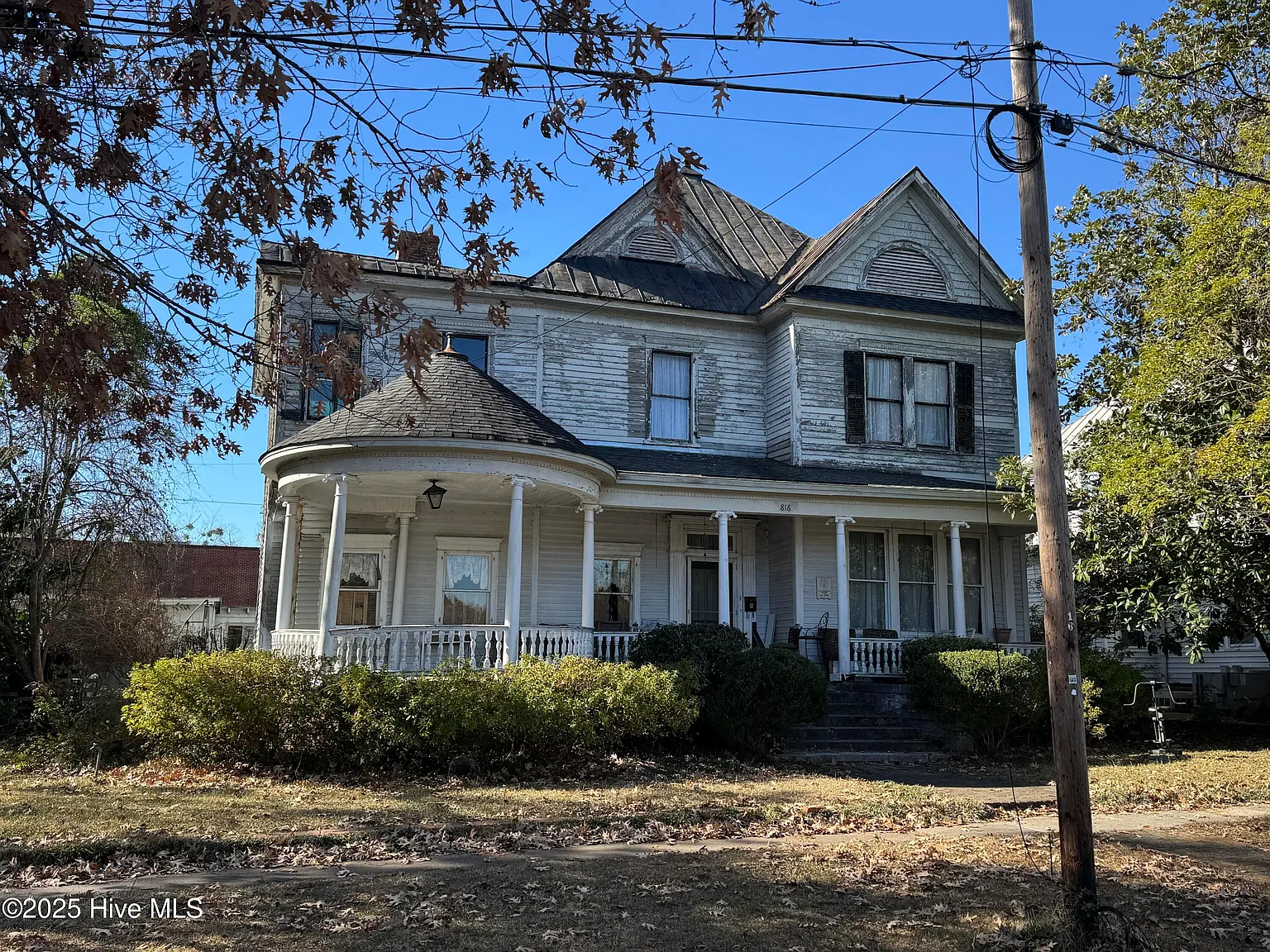
The C.A. Johnston House: A Monumental Restoration Opportunity

Constructed c. 1898-1900 by noted builder John C. Stout, the C.A. Johnston House is a formidable example of the transition between Queen Anne massing and Neoclassical restraint. Located in the heart of the Tarboro Historic District, this nearly 5,000-square-foot residence represents one of the most significant preservation opportunities currently available in eastern North Carolina. The … Read more

Iconic Queen Anne Victorian on Historic Walnut Street

The Sease-Designed Queen Anne Sited on over an acre of Springfield’s prestigious Historic Walnut Street, this 1886 Queen Anne Victorian is a documented work by Colonel George Hartzell Sease. Spanning approximately 6,063 square feet, the residence is a testament to the grand domestic scale of the late 19th century, retaining the intricate woodwork, stained glass, … Read more

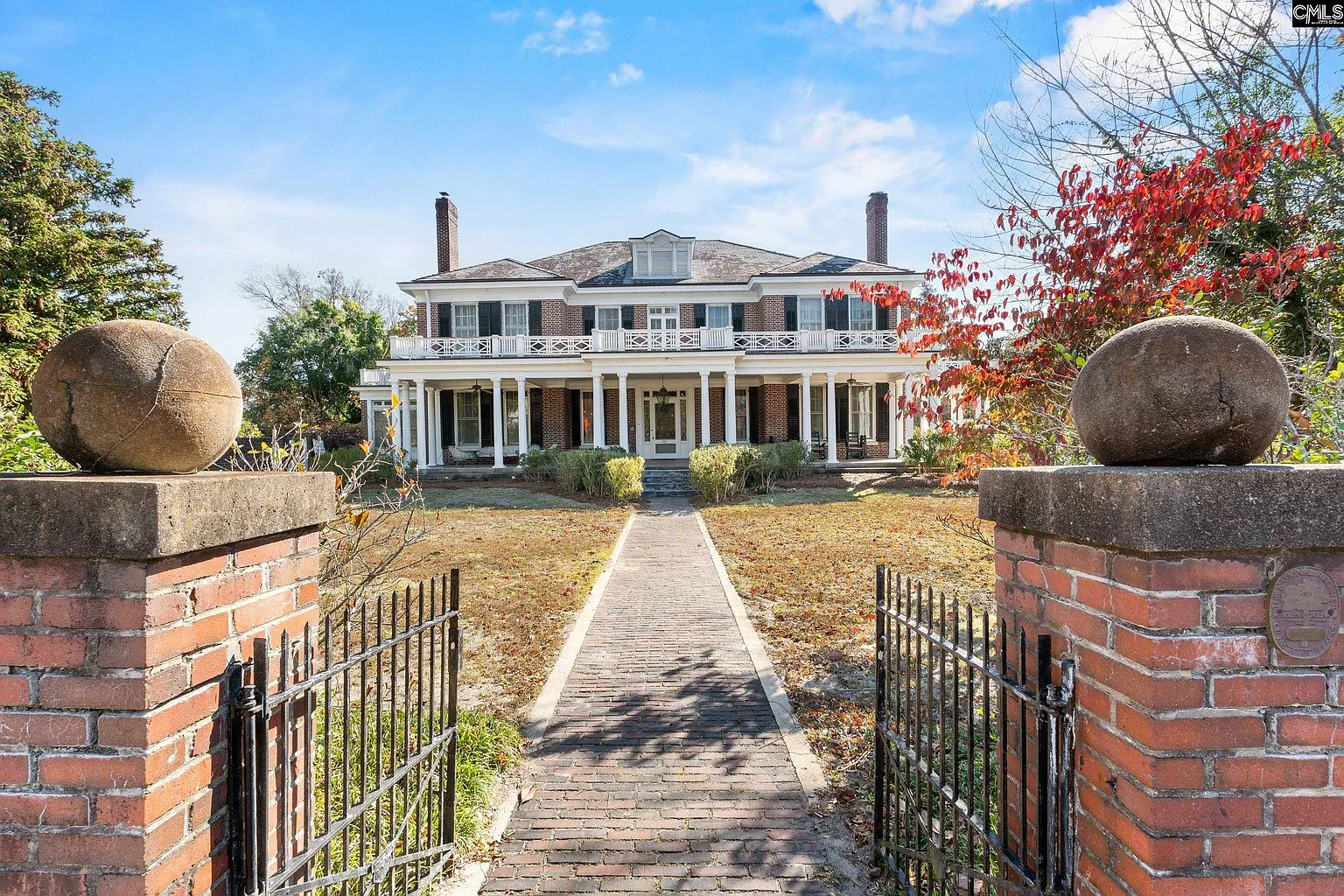
The John T. Stevens House: A “Cotton King’s” Colonial Revival

The John T. Stevens House: A “Cotton King’s” Colonial Revival. Built in 1918, this 7,330 sq. ft. brick masterpiece at 116 N Matson St is the crown jewel of the Matson Street Historic District. It was commissioned by John T. Stevens, a legendary South Carolina industrialist who amassed a fortune in the cotton oil industry … Read more

Charming Victorian in the Heart of Punxsutawney

c. 1900 Brick Victorian: Preserved Millwork & Modern Function Situated in the heart of Punxsutawney, this turn-of-the-century residence (c. 1900) stands as a testament to the enduring quality of Victorian brick construction. The interior is defined by its substantial material integrity, showcasing the gorgeous, unpainted woodwork that is the hallmark of the era. From the … Read more

Historic Old West End Home | Wraparound Porch & Classic Woodwork 

Old West End Vernacular: Unpainted Millwork & Circular Flow Located in Toledo’s renowned Old West End Historic District, this c. 1900 residence offers a substantial 3,624 square feet of living space defined by its high degree of material integrity. The exterior presents the classic neighborhood invitation: a generous wrap-around porch that serves as a transitional … Read more

Move-In Ready 1898 Queen Anne Victorian: $269,900

Constructed in 1898, this Queen Anne Victorian preserves the specific architectural vocabulary of the turn of the century while addressing the practical necessities of modern living. The entryway sets the tone with an original hardwood door leading immediately into a parlor defined by the home’s signature feature: a set of curved turret windows. This architectural … Read more

The Eli Winch House: A Hans Bille Masterpiece

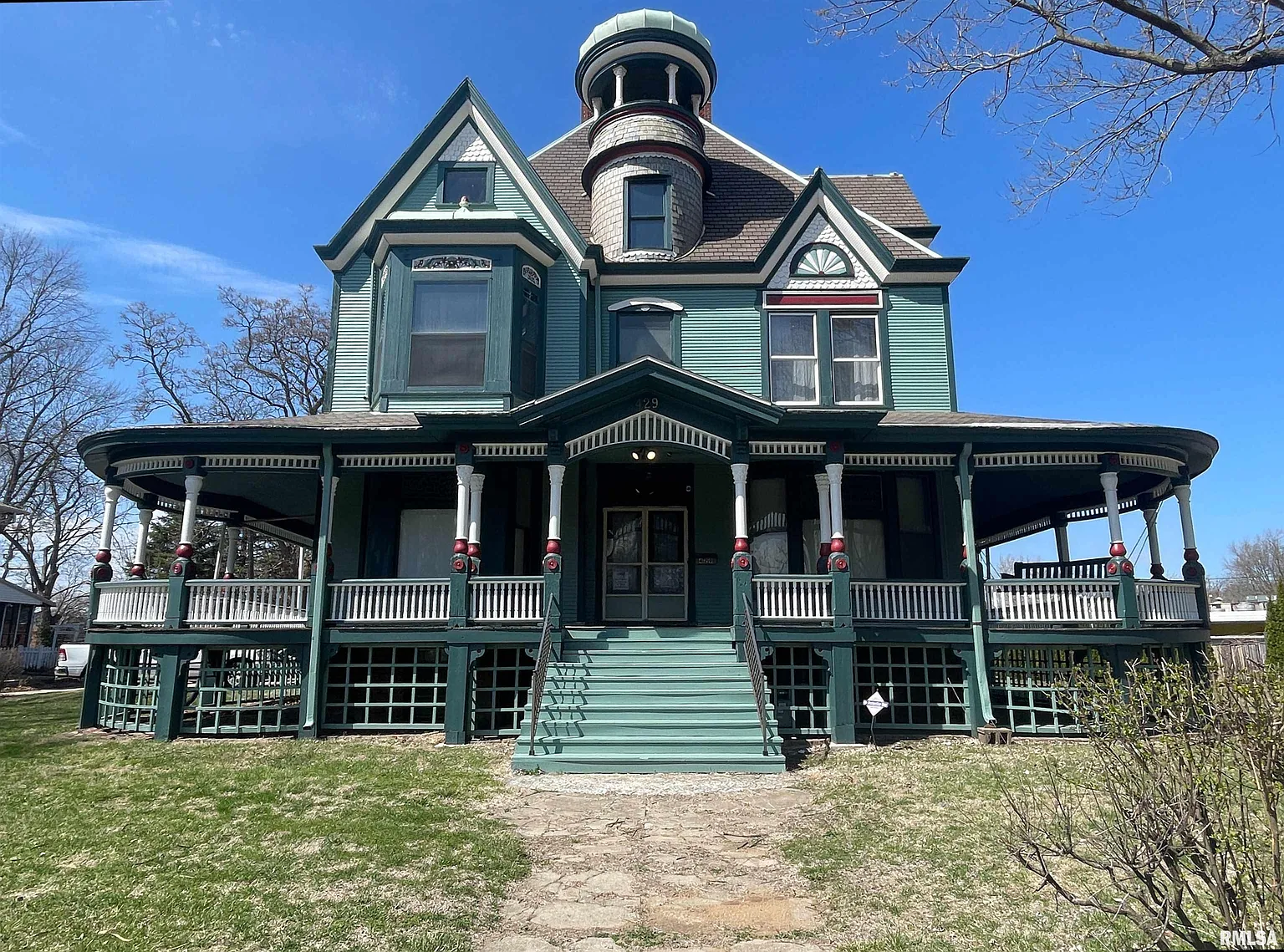
Commissioned in 1897 for Eli Winch and constructed by noted builder Hans Bille, this residence is a textbook definition of the Queen Anne style. The exterior massing is a study in late Victorian asymmetry, characterized by a pyramidal hipped roof, gabled wings, and a wrap-around porch defined by traditional turned spindlework. It stands not just … Read more

Stunning 1891 Victorian Home circa 1891: $185,000

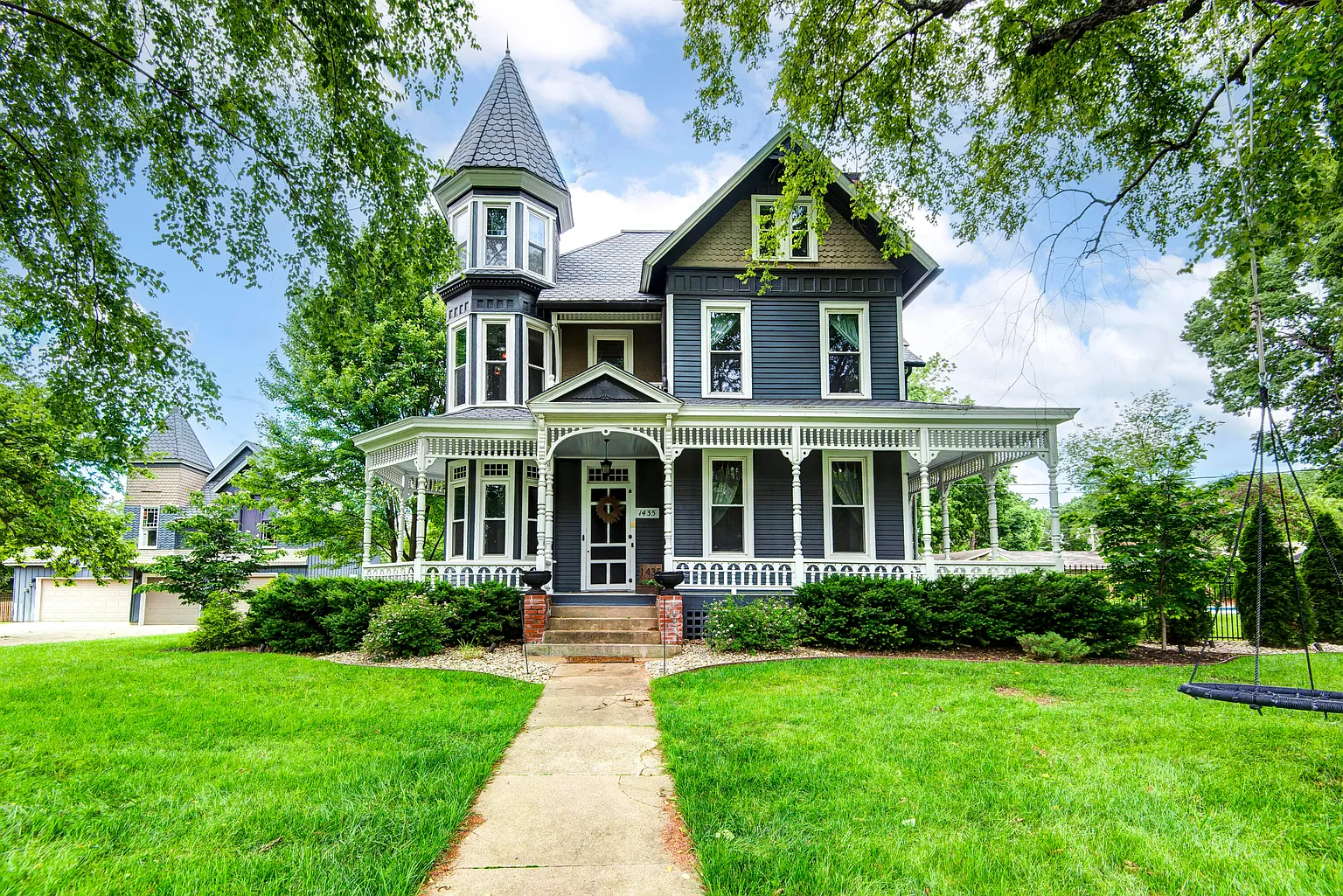
Dating to 1891, this residence exemplifies the vertical ambition of the late Victorian era. The structure is defined by its complex roofline and, most notably, a striking three-story turret that anchors the elevation. This is not merely a decorative flourish; it provides a specific interior spatial experience and marks the home as a significant example … Read more

Charming 1910 Home on Nearly 2.5 Lots: $105,000

This c. 1910 residence offers a study in early 20th-century domestic scale. Sited on a substantial 0.39-acre parcel (spanning nearly 2.5 standard lots), the home retains the generous spatial volume of its era, featuring four bedrooms capable of accommodating large furniture—a spatial luxury often missing in later bungalows. The interior is defined by preserved millwork … Read more

The Beam House: 1878 Time Capsule, Rare Interior Survivors

While tax records often default to a generic “1900” date, the architectural evidence of this Albany residence suggests a provenance dating closer to 1878. For the historic home enthusiast, this property presents an incredibly rare scenario: a home where the decorative aesthetic of the late 19th century has not been stripped away. The interior retains … Read more

1888 Pittsburgh Victorian: Turrets & Dual Staircases

This c. 1888 residence stands as a substantial example of Pittsburgh’s late 19th-century residential boom. Defined by complex massing—including turreted towers and steeply pitched gables—the structure commands its corner lot with the verticality expected of the era. The interior volume is generous, boasting ten-foot ceilings and the requisite heavy pocket doors that allow for the … Read more

The Bliss House: A Crown Jewel of West Colfax History

Built in 1892, the Bliss House stands among Denver’s most significant surviving Victorian residences. Commissioned by Dr. Gerald Bliss—first Surgeon General of the Colorado Territory—and designed by William Lang in partnership with Pugh, the house reflects a moment when architecture in Denver was both ambitious and deeply expressive. One of only five remaining Lang-designed homes … Read more

A Historic Triplex Opportunity Circa 1890 in New York

Built in 1890, this Victorian on Thayer Street is a substantial and flexible residence rooted in Rochester’s Historic Park Avenue neighborhood. Its wide front porch—overlooking a private front and side yard screened by mature hedges—sets the tone for a house designed to balance public presence with quiet retreat. Inside, the foyer immediately establishes the home’s … Read more

1920 French Eclectic with Turreted Entry

This residence, constructed in 1920, is a striking example of the French Eclectic and Tudor Revival styles that defined the “Storybook” era of American residential architecture. Its defining feature—a masonry turret housing the main entry—anchors the elevation and provides an architectural whimsy grounded in solid brick construction. The interior vocabulary is consistent with the era’s … Read more